
Possible Causes of Gout
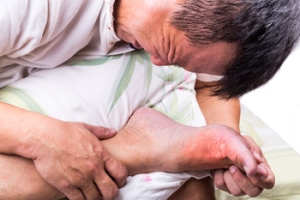
 The joints of the big toe are generally impacted by the medical condition that is referred to as gout. Common symptoms can include swelling, severe pain and discomfort in the big toe and surrounding area, and it may be difficult to walk. Patients who have this ailment often describe the pain as feeling like crystals protruding between the joints. This happens as a result of excess uric acid in the bloodstream, and can be caused by a variety of reasons. These can include genetic factors, obesity, and high blood pressure. Additionally, it may come from eating foods that are high in purine levels, which may often consist of red meat, shellfish, and sugary drinks. If you have this painful condition, it is strongly suggested that you are under the care of a podiatrist who can help you to manage it.
Gout is a foot condition that requires certain treatment and care. If you are seeking treatment, contact Frank Colabella, DPM from Crosstown Podiatry. Our doctor will treat your foot and ankle needs.
What Is Gout?
Gout is a type of arthritis caused by a buildup of uric acid in the bloodstream. It often develops in the foot, especially the big toe area, although it can manifest in other parts of the body as well. Gout can make walking and standing very painful and is especially common in diabetics and the obese.
People typically get gout because of a poor diet. Genetic predisposition is also a factor. The children of parents who have had gout frequently have a chance of developing it themselves.
Gout can easily be identified by redness and inflammation of the big toe and the surrounding areas of the foot. Other symptoms include extreme fatigue, joint pain, and running high fevers. Sometimes corticosteroid drugs can be prescribed to treat gout, but the best way to combat this disease is to get more exercise and eat a better diet.
If you have any questions, please feel free to contact our offices located in Wayne and Oradell, NJ . We offer the newest diagnostic and treatment technologies for all your foot care needs.
Gout
Gout is a form of arthritis that is caused by a buildup of uric acid crystals in the joints. This considered to be one of the most frequently recorded medical illnesses throughout history. Gout occurrences in the US have risen within the past twenty years and the condition now affects 8.3 million people which is 4% of all Americans. Researchers have found that gout affects men more than women and African-American men more than white men.
Symptoms of gout are warmth, swelling, discoloration, and tenderness in the affected joint area. The small joint on the big toe is the most common place for a gout attack to occur.
People who are obese, gain weight excessively, drink alcohol heavily, have high blood pressure, or have abnormal kidney function are more likely to develop gout. Furthermore, certain drugs and diseases are likely to increase levels of uric acid in the joints which eventually leads to gout. You are also more likely to develop gout if you eat a lot of meat and fish.
Many who experience gout attacks will experience repeated attacks over the years. Some people who have gout symptoms, may never have them again, but others may experience them several times a year. If you have gout symptoms throughout the year, you may have recurrent gout. Those who have gout should also be careful about their urate crystals collecting in their urinary tract, because this may lead to kidney stones.
Diagnosis for gout is done by checking the level of uric acid in the joints and blood. Your podiatrist may also prescribe medicine to reduce uric acid buildup in the blood, which will help prevent any gout attacks.
To treat gout, your podiatrist may also prescribe you Anti-inflammatory medication (NSAIDs) which will relieve the pain and swelling of a gout episode and it can also shorten a gout attack. Maintaining a healthy diet is also a proven method to prevent gout attacks.
How Contagious Is Toenail Fungus?
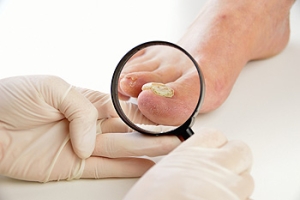
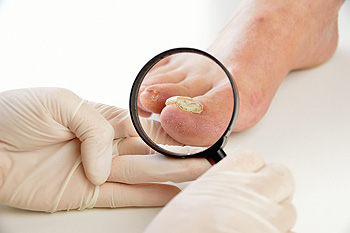 Toenail fungus is a contagious fungal skin infection that can be spread directly or indirectly. It is most commonly spread in warm, moist environments. These locations typically include public swimming pools, communal showers, gyms, and locker rooms. To help prevent obtaining a fungal infection, it may be beneficial to wear appropriate footwear when you are in these locations. Some symptoms of this condition may include discoloration of the affected toenail, thickening of the toenail, and in more severe cases, the toenail may become brittle and begin to break off. In order to safely treat a toenail fungal infection, it’s suggested that you consult with a podiatrist for professional care and advice.
For more information about treatment, contact Frank Colabella, DPM of Crosstown Podiatry. Our doctor can provide the care you need to keep you pain-free and on your feet.
Toenail Fungus Treatment
Toenail fungus is a condition that affects many people and can be especially hard to get rid of. Fortunately, there are several methods to go about treating and avoiding it.
Antifungals & Deterrence
Oral antifungal medicine has been shown to be effective in many cases. It is important to consult with a podiatrist to determine the proper regiment for you, or potentially explore other options.
Applying foot powder on the feet and shoes helps keep the feet free of moisture and sweat.
Sandals or open toed shoes – Wearing these will allow air movement and help keep feet dry. They also expose your feet to light, which fungus cannot tolerate. Socks with moisture wicking material also help as well.
If you have any questions please contact our offices located in Wayne and Oradell, NJ . We offer the newest diagnostic and treatment technologies for all your foot and ankle needs.
Toenail Fungus
Toenail fungus is a frustrating problem that affects many people. It can be persistent and hard to get rid of. As many different types of fungi are present throughout the environment, it is very easy to contract toenail fungus.
The feet are especially susceptible to toenail fungus because shoes and socks create the ideal dark and moist environment that fungal infections thrive in. While fungal infections of the nail plate are quite common, if left untreated they can spread beyond the toenail and into the skin and other parts of the body.
Signs of toenail fungus include a thickened nail that has become yellow or brown in color, a foul smell, and debris beneath the nail. The toe may become painful due to the pressure of a thicker nail or the buildup of debris.
Treatment for toenail fungus is most effective during the early stages of an infection. If there is an accumulation of debris beneath the nail plate, an ingrown nail or a more serious infection can occur. While each treatment varies between patients, your podiatrist may prescribe you oral medications, topical liquids and creams, or laser therapy. To determine the best treatment process for you, be sure to visit your podiatrist at the first signs of toenail fungus.
Where Are the Sesamoid Bones Located?

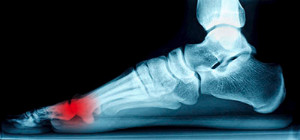 The pain and discomfort that is often experienced with the medical condition sesamoiditis is generally felt under the big toe. Two sesamoid bones are found inside the tendons of the big toe, and can become injured if shoes that are worn do not fit correctly. These types of shoes can include high heels, which typically have inadequate room for the toes to move freely in. A common symptom that many patients experience with this condition can consist of a dull pain that can become stronger as walking and running activities are pursued. It is beneficial to perform exercises that can strengthen the feet, as this may help the foot to generally feel better. If you have pain on the bottom of your foot near the big toe, it is advised that you seek the counsel of a podiatrist who can properly treat this condition.
Sesamoiditis is an unpleasant foot condition characterized by pain in the balls of the feet. If you think you’re struggling with sesamoiditis, contact Frank Colabella, DPM of Crosstown Podiatry. Our doctor will treat your condition thoroughly and effectively.
Sesamoiditis
Sesamoiditis is a condition of the foot that affects the ball of the foot. It is more common in younger people than it is in older people. It can also occur with people who have begun a new exercise program, since their bodies are adjusting to the new physical regimen. Pain may also be caused by the inflammation of tendons surrounding the bones. It is important to seek treatment in its early stages because if you ignore the pain, this condition can lead to more serious problems such as severe irritation and bone fractures.
Causes of Sesamoiditis
- Sudden increase in activity
- Increase in physically strenuous movement without a proper warm up or build up
- Foot structure: those who have smaller, bonier feet or those with a high arch may be more susceptible
Treatment for sesamoiditis is non-invasive and simple. Doctors may recommend a strict rest period where the patient forgoes most physical activity. This will help give the patient time to heal their feet through limited activity. For serious cases, it is best to speak with your doctor to determine a treatment option that will help your specific needs.
If you have any questions, please feel free to contact our offices located in Wayne and Oradell, NJ . We offer the newest diagnostic and treatment technologies for all your foot care needs.
Sesamoiditis
Sesamoiditis is a condition in which the sesamoid bones in the forefoot become inflamed from physical activity. Sesamoid bones are bones that are not connected to other bones but are located in tendons or muscle. Two of these sesamoid bones are very small and located on the underside of the foot near the big toe. Athletes such as runners, baseball and football players, and dancers are likely to experience sesamoiditis. Those with high arched feet, flat feet, or runners who run on the ball of their foot are also prone to suffer from sesamoiditis.
Symptoms include pain or throbbing on the ball of the foot near the big toe. The pain generally starts with a mild throbbing but gradually builds up to shooting pain. Bruising, swelling, and redness are possible, but in most cases, these symptoms are not present. However, moving the big toe can result in pain and difficulty.
To conduct a diagnosis, the podiatrist will examine the ball of the foot and big toe. They will look for any outliers and check the movement of the toe. X-rays will be taken to rule out any other conditions and ensure that it is sesamoiditis.
Treatment for sesamoiditis is generally mild and includes rest, anti-inflammatory and pain medication, and ice treatments to deal with the swelling and pain. Orthotics may be needed with people who have flat or high arched feet to relieve pressure off the bones. In some cases the toe will be taped and immobilized to allow healing. The podiatrist may also decide to use a steroid injection to help with swelling as well. If you have sesamoiditis, you shouldn’t engage in any intensive activity, as it may inflame the area and worsen your pain. If the sesamoid bone has fractured, surgery may be required to remove the sesamoid bone.
If you are suffering from sesamoiditis or are experiencing symptoms similar to sesamoiditis, you should stop all physical activity that puts strain on the area. Furthermore you should see a podiatrist for a diagnosis to see if you have sesamoiditis.
Possible Causes Of An Ingrown Toenail
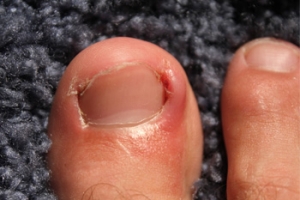
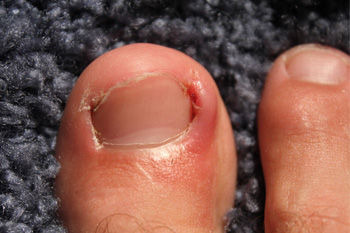 There are many people that suffer from a condition which is known as an ingrown toenail. Research has shown it generally does not cause harm, unless it becomes infected. This ailment can happen as a result of trimming the toenails incorrectly, or it may gradually develop from wearing shoes that do not have ample room for the toes to move freely in. A noticeable symptom can include swelling as the nail grows into the outer edges of the skin. Additionally, there may be a discharge that oozes from the affected nail, and this may add to existing pain and discomfort. Many patients have found mild relief when the affected nail is soaked in warm water, and this may be beneficial in softening the surrounding skin. If you have an ingrown toenail, please consult with a podiatrist who can guide you toward treatment options that are correct for you.
Ingrown toenails can become painful if they are not treated properly. For more information about ingrown toenails, contact Frank Colabella, DPM of Crosstown Podiatry. Our doctor can provide the care you need to keep you pain-free and on your feet.
Ingrown Toenails
Ingrown toenails occur when a toenail grows sideways into the bed of the nail, causing pain, swelling, and possibly infection.
Causes
- Bacterial infections
- Improper nail cutting such as cutting it too short or not straight across
- Trauma to the toe, such as stubbing, which causes the nail to grow back irregularly
- Ill-fitting shoes that bunch the toes too close together
- Genetic predisposition
Prevention
Wearing proper fitting shoes and using proper cutting techniques will also help decrease your risk of developing ingrown toenails.
Treatment
Ingrown toenails are a very treatable foot condition. In minor cases, soaking the affected area in salt or antibacterial soaps will not only help with the ingrown nail itself, but also help prevent any infections from occurring. In more severe cases, surgery is an option. In either case, speaking to your podiatrist about this condition will help you get a better understanding of specific treatment options that are right for you.
If you have any questions, please feel free to contact our offices located in Wayne and Oradell, NJ . We offer the newest diagnostic and treatment technologies for all your foot care needs.
Ingrown Toenail Care
An ingrown toenail is a toenail that grows sideways into the nail bed, causing pain and swelling. Ingrown toenails can worsen and cause drainage, turning into a serious infection.
Several factors affect whether a person is at risk from an ingrown toenail. The many causes include being overweight, diabetes, participating in sports, having a fungal infection of the toe, and cutting your nails too short. Ingrown toenails also have a genetic predisposition, causing some people to be more prone to receive the condition than others. Other causes include improperly fitting shoes and shoes that keep the feet damp.
Ingrown toenails can be preventable with certain measures. For starters, allowing your toe nails to grow slightly longer in length will help prevent them from becoming ingrown. If you have already developed an ingrown toenail, soak the affected toe in warm water. This will alleviate the pain and help prevent an infection from forming. Antibiotic soap or Epsom salts may be added to further help the relieving process and avoid infection. Placing cotton beneath the affected area is also suggested, as this may help the toenail grow upwards and not into the nail bed. Swelling and redness can be reduced by resting with your feet elevated.
A podiatrist should be seen if the pain becomes so serious that it prevents you from doing your everyday activities. If a red streak running up your leg appears or if you suspect your infection has spread, contact a podiatrist immediately. Fast treatments can be undertaken to lessen your pain and have you walking comfortably.
An ingrown toenail can be easily treated with a Band-Aid. Simply wrap the affected toe with a Band-Aid to prevent infection and keep the nail from growing out at a painful angle.
In more serious cases, your podiatrist may decide to make a small incision to remove a portion of your toenail. To prevent the nail from growing back, medication will be placed directly into the nail bed. This procedure would be performed under local anesthesia and is a faster method to alleviate discomfort from an ingrown toenail. Post-procedure directions will have you stay off the affected foot for a day. Afterwards, normal activities can be resumed.
What Is ESWT?

 The medical procedure that is known as extracorporeal shock wave therapy (ESWT) has been successfully used to treat specific types of chronic foot conditions. These may include heel spurs, plantar fasciitis, and tendonitis. It's defined as a treatment administered by a machine that transmits sound waves directly into the affected tissue and may be helpful in forming new blood vessels. This may help to diminish a portion of the pain which is often associated with these types of ailments. Research has indicated there are some patients who would not be eligible for this type of treatment. This group of people can include patients who have pacemakers, are pregnant, or who may have tumors. If you're considering this type of treatment, it's strongly suggested that you're under the care of a podiatrist who can properly guide you toward an effective treatment method that's correct for you.
Shockwave therapy is a treatment commonly used to treat various injuries and conditions, particularly plantar fasciitis in the feet. To learn more, consult with Frank Colabella, DPM from Crosstown Podiatry. Our doctor can provide the care you need to keep you pain-free and on your feet.
Shockwave Therapy
Shockwave therapy is a new treatment option designed to treat bone conditions such as tennis elbow, shoulder pain, and others. Shockwave therapy uses high intensity sound waves that are directed to the affected tissues of the body with pinpoint accuracy. The effects are very beneficial, leading to a production of collagen fibers, eliminating inflammation.
Who Benefits from Shockwave?
Shockwave is recommended for patients suffering from heel pain and associated problems. Heel pain is a common condition which can be caused by obesity, overexertion, and spending a substantial amount of time on hard floors with your feet exposed and unsupported.
Fast and Easy
The therapy is actually a simple process that can leave patients feeling better the very next day. Shockwave therapy is not as dramatic as it sounds. It enables more blood flow to effected areas, addressing the source of the problem and allowing treatment to last for a long time.
Treatment & Recovery Time
Shockwave treatment will enable your feet to recover quickly. This is especially important since surgery is not required. It is cost effective and does not require the use of anesthesia. This treatment is a better option to surgery, since it is proven safe.
If you have any questions, please feel free to contact our offices located in Wayne and Oradell, NJ . We offer the newest diagnostic and treatment technologies for all your foot care needs.
Treating Heel Pain with Shockwave Therapy
Shockwave therapy is one treatment option for plantar fasciitis, a condition that causes heel and foot inflammation and pain. This type of injury is often caused by overworking the feet. Heel pain is most common in people that exercise often, individuals who are overweight, and people whose profession require them to stand for long periods of time.
Heel pain can be caused by a number of problems including ill-fitting shoes, strenuous exercise routines or work hazards. Simple treatment options involve buying new shoes, taking ibuprofen, doing heel and foot exercises, and resting your feet. For severe cases, shockwave therapy can be considered a more viable form of treatment.
Shockwave therapy should be considered for patients that have had unsuccessful treatment or whose heel pain has lasted for more than six months. In shockwave therapy, a device delivers shockwaves to the patient’s body, which jumpstart the body’s repair mechanisms. These mechanisms then begin working more effectively to repair damage done to the heel area.
Shockwave therapy also helps eliminate pain in the heel area. When the body’s natural repair mechanisms are triggered, tissue healing in the body is sped up. This leads to pain reduction after pain transmission nerves are stimulated.
Shockwave therapy eliminates the risk factors associated with surgery, such as the use of anesthetics, and is less invasive. Since this technique also helps improve the body’s natural healing techniques, recovery time should be shorter than surgical procedures.
Discomfort issues can also be a side effect of treatment. Short-term issues normally include skin bruising, minor pain during and after treatment, swelling of the heel, and discolored tissue. However, these side effects of shockwave therapy usually disappear after a few days. The fast recovery time of shockwave therapy makes it easy for patients to return to their daily routines.
Like most types of treatments, surgeries, and medications, shockwave therapy is not for everyone. Potential patients with heart conditions and people with pacemakers should not be considered for this technique. People on certain types of medications, usually medications affecting blood clotting, would be ineligible for shockwave therapy. Children and pregnant women should avoid this treatment option as well.
Overall, shockwave therapy could be a great option for heel pain. It is less invasive than surgery, helps trigger natural healing mechanisms, and should be considered by people who have had long bouts of heel pain or tried conventional treatment options that were unsuccessful.
