
Foot cramps are sudden, painful muscle contractions that can affect the toes or arches. A cramp may cause muscles to tighten without warning, making movement difficult. Foot cramps can last seconds or several minutes. Occasional cramps may be harmless, but frequent episodes can interfere with walking, exercise, and sleep. Understanding causes can help reduce triggers and protect your feet.
Dehydration is a common cause of foot cramps because fluid loss can affect muscle function. Physical activity may also trigger cramping when muscles become tired or are used more than usual. Wearing wrong footwear can place unusual pressure on the feet and contribute to muscle fatigue. Additionally, pregnancy can increase the likelihood of cramps because the body undergoes physical changes and carries additional weight. Risk factors may include prolonged standing and muscle strain. Paying attention to patterns can help identify triggers.
Symptoms usually include sudden tightening, sharp pain, and temporary difficulty moving the affected foot. A podiatrist can evaluate recurring foot cramps by reviewing your symptoms, activity level, and health history. The examination may assess muscle function, foot structure, and flexibility. A podiatrist may recommend hydration, stretching, or changes to activity. Treatment focuses on the underlying cause and may include physical therapy or orthotics when appropriate. Follow-up care can help determine whether symptoms improve.
You can help reduce foot cramps by drinking enough fluids, choosing properly-fitted shoes, and increasing physical activity. Gentle stretching may help prepare the muscles. If cramps occur frequently, become severe, or continue despite changes, a podiatric evaluation is important. A podiatrist can determine whether another foot problem or health condition contributes to your symptoms. If you have foot cramps, it is suggested that you consult a podiatrist for effective relief and prevention solutions.
Foot Pain
Foot pain can be extremely painful and debilitating. If you have a foot pain, consult with Frank Colabella, DPM from Crosstown Podiatry. Our doctor will assess your condition and provide you with quality foot and ankle treatment.
Causes
Foot pain is a very broad condition that could be caused by one or more ailments. The most common include:
- Bunions
- Hammertoes
- Plantar Fasciitis
- Bone Spurs
- Corns
- Tarsal Tunnel Syndrome
- Ingrown Toenails
- Arthritis (such as Gout, Rheumatoid, and Osteoarthritis)
- Flat Feet
- Injury (from stress fractures, broken toe, foot, ankle, Achilles tendon ruptures, and sprains)
- And more
Diagnosis
To figure out the cause of foot pain, podiatrists utilize several different methods. This can range from simple visual inspections and sensation tests to X-rays and MRI scans. Prior medical history, family medical history, and any recent physical traumatic events will all be taken into consideration for a proper diagnosis.
Treatment
Treatment depends upon the cause of the foot pain. Whether it is resting, staying off the foot, or having surgery; podiatrists have a number of treatment options available for foot pain.
If you have any questions, please feel free to contact our offices located in Wayne and Oradell, NJ . We offer the newest diagnostic and treatment technologies for all your foot care needs.
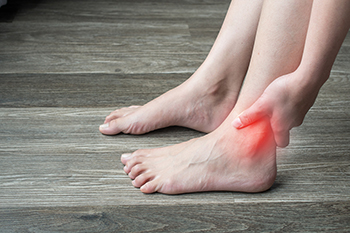
Ankle pain can make walking, standing, and daily activities more difficult. The ankle is a complex joint that connects the foot and lower leg while helping the body maintain balance and movement. Pain can develop after an injury, repeated stress, or problems affecting the bones, ligaments, tendons, or surrounding tissues. Ligaments are strong bands of tissue that connect bones and help stabilize joints. Ankle sprains are a frequent cause of ankle pain, but other conditions can also affect ankle function. Symptoms include swelling, stiffness, tenderness, and difficulty moving the foot comfortably. Some patients also notice weakness or a feeling that the ankle is unstable. A podiatrist can perform an evaluation to identify the cause of discomfort and determine the most appropriate treatment approach.
A podiatrist examines the foot and ankle to understand how pain is affecting movement and overall function. The evaluation includes checking joint mobility, muscle strength, flexibility, balance, and walking patterns. A podiatrist also reviews the patient's symptoms, activity level, and medical history to identify factors contributing to the problem. Treatment includes customized care plans that focus on improving ankle function, supporting proper movement, and reducing stress on affected tissues. A podiatrist may also evaluate footwear because shoes that lack proper support can affect foot mechanics and place additional strain on the ankle. Treatment options are based on the patient's specific condition and examination findings.
Research shows that ankle pain can affect balance, mobility, and quality of life, making proper evaluation important for effective care. A podiatrist helps patients understand the cause of their symptoms and develops a treatment plan focused on restoring healthy foot and ankle function. Better ankle movement can improve comfort and support participation in daily activities. Treatment plans are personalized according to each patient's symptoms, physical examination, and lifestyle needs. Regular evaluations help monitor progress and guide adjustments in care. If you have symptoms of ankle pain, it is suggested that you make an appointment with a chiropractor for diagnosis and treatment.
Ankle pain can have many different causes and the pain may potentially be serious. If you have ankle pain, consult with Frank Colabella, DPM from Crosstown Podiatry. Our doctor will assess your condition and provide you with quality foot and ankle treatment.
Ankle pain is any condition that causes pain in the ankle. Due to the fact that the ankle consists of tendons, muscles, bones, and ligaments, ankle pain can come from a number of different conditions.
Causes
The most common causes of ankle pain include:
- Types of arthritis (rheumatoid, osteoarthritis, and gout)
- Ankle sprains
- Broken ankles
- Achilles tendinitis
- Achilles tendon rupture
- Stress fractures
- Tarsal tunnel syndrome
- Plantar fasciitis
Symptoms
Symptoms of ankle injury vary based upon the condition. Pain may include general pain and discomfort, swelling, aching, redness, bruising, burning or stabbing sensations, and/or loss of sensation.
Diagnosis
Due to the wide variety of potential causes of ankle pain, podiatrists will utilize a number of different methods to properly diagnose ankle pain. This can include asking for personal and family medical histories and of any recent injuries. Further diagnosis may include sensation tests, a physical examination, and potentially x-rays or other imaging tests.
Treatment
Just as the range of causes varies widely, so do treatments. Some more common treatments are rest, ice packs, keeping pressure off the foot, orthotics and braces, medication for inflammation and pain, and surgery.
If you have any questions please feel free to contact our offices located in Wayne and Oradell, NJ . We offer the newest diagnostic tools and technology to treat your foot and ankle needs.
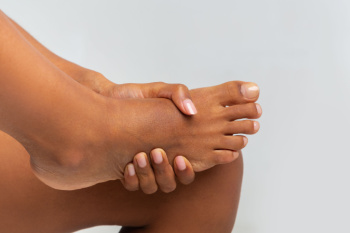
Your feet support every step, yet they rarely receive the attention they deserve. Simple daily foot care habits can protect comfort, balance, and movement. This routine takes only a few minutes each day. Wash your feet with mild soap and warm water, then dry them well, especially between the toes. Apply moisturizer to dry skin, but keep it away from spaces between the toes. Trim toenails straight across to lower the chance of an ingrown nail, which grows into nearby skin. Check your feet for cuts, swelling, or color changes. Contact a podiatrist when a change does not improve or causes concern.
Shoes also have a major effect on foot health. Choose shoes with enough room for your toes, a firm heel, and proper arch support. A shoe should feel comfortable when you first try it on. Do not expect a painful pair to become comfortable after repeated use. Replace shoes when the soles become worn, or the support breaks down. Before exercise, warm up and gently stretch your feet and calves. Increase activity at a steady pace because sudden changes can lead to heel pain, sore muscles, or ankle injuries.
A podiatrist can identify problems early and recommend care based on your feet, health, and daily activities. An exam can reveal the cause of heel pain, nail changes, or numbness. This foot doctor can also assess how your feet move when walking and determine whether custom shoe inserts could improve support. Patients with diabetes should schedule regular foot checks because reduced feeling can allow even a small injury to become serious. Seek prompt care for an open sore, sudden swelling, or severe pain. Good foot care helps you stay active and lowers the risk of preventable problems. If you have foot, toe, or ankle problems, it is suggested that you schedule an appointment with a podiatrist for a diagnosis and appropriate treatment.
Everyday foot care is very important to prevent infection and other foot ailments. If you need your feet checked, contact Frank Colabella, DPM from Crosstown Podiatry. Our doctor can provide the care you need to keep you pain-free and on your feet.
Everyday Foot Care
Often, people take care of their bodies, face and hair more so than they do for their feet. But the feet are a very important aspect of our bodies, and one that we should pay more attention to. Without our feet, we would not be able to perform most daily tasks.
It is best to check your feet regularly to make sure there are no new bruises or cuts that you may not have noticed before. For dry feet, moisturizer can easily be a remedy and can be applied as often as necessary to the affected areas. Wearing shoes that fit well can also help you maintain good foot health, as well as making it easier to walk and do daily activities without the stress or pain of ill-fitting shoes, high heels, or even flip flops. Wearing clean socks with closed shoes is important to ensure that sweat and bacteria do not accumulate within the shoe. Clean socks help to prevent Athlete’s foot, fungi problems, bad odors, and can absorb sweat.
If you have any questions, please feel free to contact our offices located in Wayne and Oradell, NJ . We offer the newest diagnostic and treatment technologies for all your foot care needs.

Have your child's feet been examined lately? Healthy feet are happy feet. If your child is complaining of foot pain, it may be a sign of underlying problems.
