Items filtered by date: May 2020
Rheumatoid Arthritis and the Feet
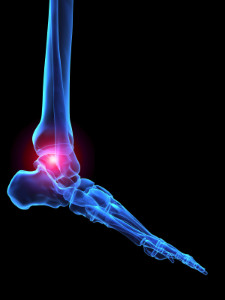 Rheumatoid arthritis is an inflammatory form of arthritis that can create complications with the feet. This condition may cause swelling within the joints of the feet, making it very painful to complete daily tasks. Other symptoms include joint stiffness, fatigue, muscle pain, and numbness. Some risk factors for developing rheumatoid arthritis include genetics, bacteria and viruses, physical trauma, and obesity. In order to treat this condition, it may be beneficial to visit a doctor for prescribed medication, partake in physical therapy, and in more severe cases, surgery. It’s been said that having a well balanced diet may help relieve some of the symptoms associated with this condition. For a proper diagnosis and advised treatment plan, it’s suggested that you consult with a podiatrist for professional care.
Arthritis can be a difficult condition to live with. If you are seeking treatment, contact one of our podiatrists from Crosstown Podiatry. Our doctors can provide the care you need to keep you pain-free and on your feet.
Arthritic Foot Care
Arthritis is a joint disorder that involves the inflammation of different joints in your body, such as those in your feet. Arthritis is often caused by a degenerative joint disease and causes mild to severe pain in all affected areas. In addition to this, swelling and stiffness in the affected joints can also be a common symptom of arthritis.
In many cases, wearing ill-fitting shoes can worsen the effects and pain of arthritis. Wearing shoes that have a lower heel and extra room can help your feet feel more comfortable. In cases of rheumatoid arthritis, the arch in your foot may become problematic. Buying shoes with proper arch support that contour to your feet can help immensely.
Alleviating Arthritic Pain
- Exercises that stretch the foot can prevent further pain and injury and increase mobility
- Most of the pain can be alleviated with anti-inflammatory drugs, heat, and topical medications
- Massages can help temporarily alleviate pain.
It is best to see your doctor for the treatment that is right for your needs and symptoms. Conditions vary, and a podiatrist can help you determine the right method of care for your feet.
If you have any questions please feel free to contact our offices located in Wayne, Montclair, and Randolph, NJ . We offer the newest diagnostic tools and technology to treat your foot and ankle needs.
Reminder: When Was the Last Time...?
Custom orthotics, or shoe inserts, should be periodically replaced. Orthotics must fit properly to give you the best results. Protect your feet and ankles!
Possible Causes for Changes in the Feet During Pregnancy
 There are several physical changes that accompany pregnancy which can possibly lead to foot pain. This may be a result of the increased weight the growing fetus puts on the body, hormonal changes, or from eating foods that have high levels of sodium. Many pregnant women notice it may become difficult to complete daily activities when their feet are swollen. Research has indicated it is beneficial to elevate the feet as often as possible, in addition to performing gentle foot stretches. Comfort can be found when shoes fit properly, and the correct shoe size can be determined when the feet are measured during the day. If you would like additional information about the effects pregnancy can have on the feet, please schedule a consultation with a podiatrist.
Pregnant women with swollen feet can be treated with a variety of different methods that are readily available. For more information about other cures for swollen feet during pregnancy, consult with one of our podiatrists from Crosstown Podiatry. Our doctors will attend to all of your foot and ankle needs.
What Foot Problems Can Arise During Pregnancy?
One problem that can occur is overpronation, which occurs when the arch of the foot flattens and tends to roll inward. This can cause pain and discomfort in your heels while you’re walking or even just standing up, trying to support your baby.
Another problem is edema, or swelling in the extremities. This often affects the feet during pregnancy but tends to occur in the later stages.
How Can I Keep My Feet Healthy During Pregnancy?
- Wearing orthotics can provide extra support for the feet and help distribute weight evenly
- Minimize the amount of time spent walking barefoot
- Wear shoes with good arch support
- Wear shoes that allow for good circulation to the feet
- Elevate feet if you experience swelling
- Massage your feet
- Get regular, light exercise, such as walking, to promote blood circulation to the feet
If you have any questions, please feel free to contact our offices located in Wayne, Montclair, and Randolph, NJ . We offer the newest diagnostic and treatment technologies for all your foot care needs.
Possible Reasons Why Foot Pain Occurs
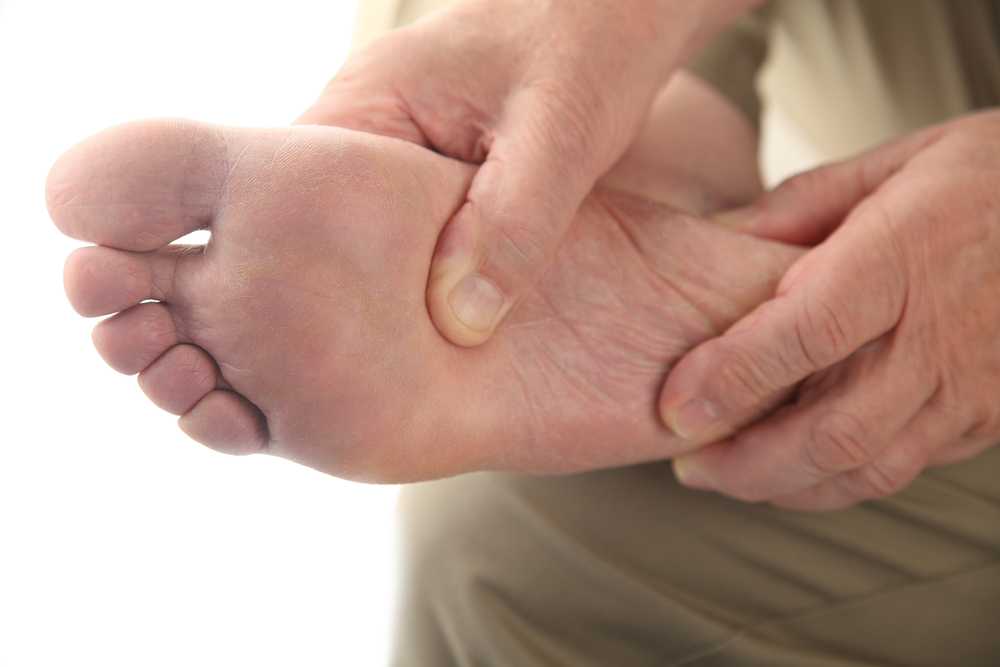
Foot pain is considered to be one of the most common conditions that is endured by many people. It can develop for a variety of reasons, including genetic traits, wearing shoes that do not fit correctly, or if an injury has occurred. A bunion is a deformity that is found on the side of the big toe, and may cause the toe to shift toward the other toes. Plantar fasciitis and heel spurs are characterized by severe or mild heel pain, and moderate relief may be found when specific stretches are performed. If the nerve between the third and fourth toes becomes inflamed, it may be indicative of Morton’s neuroma. There are several types of foot pain and numerous reasons for their causes, if you would like additional information about treatment options, it is strongly advised that you consult with a podiatrist.
Foot Pain
Foot pain can be extremely painful and debilitating. If you have a foot pain, consult with one of our podiatrists from Crosstown Podiatry. Our doctors will assess your condition and provide you with quality foot and ankle treatment.
Causes
Foot pain is a very broad condition that could be caused by one or more ailments. The most common include:
- Bunions
- Hammertoes
- Plantar Fasciitis
- Bone Spurs
- Corns
- Tarsal Tunnel Syndrome
- Ingrown Toenails
- Arthritis (such as Gout, Rheumatoid, and Osteoarthritis)
- Flat Feet
- Injury (from stress fractures, broken toe, foot, ankle, Achilles tendon ruptures, and sprains)
- And more
Diagnosis
To figure out the cause of foot pain, podiatrists utilize several different methods. This can range from simple visual inspections and sensation tests to X-rays and MRI scans. Prior medical history, family medical history, and any recent physical traumatic events will all be taken into consideration for a proper diagnosis.
Treatment
Treatment depends upon the cause of the foot pain. Whether it is resting, staying off the foot, or having surgery; podiatrists have a number of treatment options available for foot pain.
If you have any questions, please feel free to contact our offices located in Wayne, Montclair, and Randolph, NJ . We offer the newest diagnostic and treatment technologies for all your foot care needs.
