Items filtered by date: February 2026
Foot Pain May Be Linked to Rheumatoid Arthritis
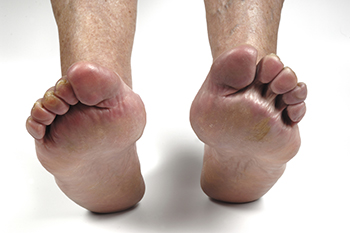
Foot pain is sometimes an early sign of rheumatoid arthritis, an autoimmune condition that causes inflammation in the joints. Unlike wear and tear osteoarthritis, rheumatoid arthritis often affects both feet and can involve the toes, midfoot, ankles, and surrounding soft tissues. People may notice stiffness that is worse in the morning, swelling, warmth, or pain that improves slowly with movement. Over time, inflammation can lead to joint deformities, changes in walking patterns, and increased pressure on certain areas of the foot. Early recognition is important because rheumatoid arthritis can progress and affect daily mobility. Wearing supportive footwear, custom orthotics, and activity modifications may help reduce strain on painful joints. When foot pain, swelling, or stiffness persists, it is suggested that you see a podiatrist for an evaluation, diagnosis, and appropriate treatment. Coordinated care with a rheumatologist is often part of long-term management.
Because RA affects more than just your joints, including the joints in your feet and ankles, it is important to seek early diagnosis from your podiatrist if you feel like the pain in your feet might be caused by RA. For more information, contact one of our podiatrists of Crosstown Podiatry. Our doctors will assist you with all of your podiatric concerns.
What Is Rheumatoid Arthritis?
Rheumatoid Arthritis (RA) is an autoimmune disorder in which the body’s own immune system attacks the membranes surrounding the joints. Inflammation of the lining and eventually the destruction of the joint’s cartilage and bone occur, causing severe pain and immobility.
Rheumatoid Arthritis of the Feet
Although RA usually attacks multiple bones and joints throughout the entire body, almost 90 percent of cases result in pain in the foot or ankle area.
Symptoms
- Swelling and pain in the feet
- Stiffness in the feet
- Pain on the ball or sole of feet
- Joint shift and deformation
Diagnosis
Quick diagnosis of RA in the feet is important so that the podiatrist can treat the area effectively. Your doctor will ask you about your medical history, occupation, and lifestyle to determine the origin of the condition. Rheumatoid Factor tests help to determine if someone is affected by the disease.
If you have any questions, please feel free to contact our offices located in Wayne, Montclair, and Randolph, NJ . We offer the newest diagnostic and treatment technologies for all your foot care needs.
When Poor Circulation Affects the Feet
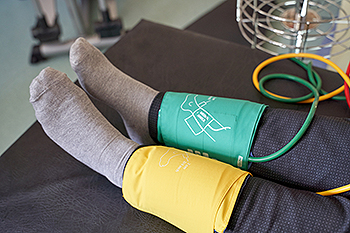
Peripheral artery disease, or PAD, is a circulation condition in which narrowed arteries reduce blood flow to the legs and feet. It is most often caused by plaque buildup related to aging, smoking, diabetes, or high cholesterol. Symptoms include cramping pain with walking, numbness, slow-healing sores, or changes in skin color. The feet may look pale and they can feel weak or painful during activity. A podiatrist can help by starting with a careful examination of pulses, skin condition, and walking tolerance, along with noninvasive testing to evaluate blood flow. Early diagnosis is important to prevent further complications. Treatment may involve foot protection, wound care, footwear guidance, and targeted exercises to encourage circulation and maintain mobility. Ongoing podiatric care supports foot health and helps reduce the risk of infection or tissue damage. If you have peripheral artery disease, it is suggested that you make an appointment with a podiatrist.
Peripheral artery disease can pose a serious risk to your health. It can increase the risk of stroke and heart attack. If you have symptoms of peripheral artery disease, consult with one of our podiatrists from Crosstown Podiatry. Our doctors will assess your condition and provide you with quality foot and ankle treatment.
Peripheral artery disease (PAD) is when arteries are constricted due to plaque (fatty deposits) build-up. This results in less blood flow to the legs and other extremities. The main cause of PAD is atherosclerosis, in which plaque builds up in the arteries.
Symptoms
Symptoms of PAD include:
- Claudication (leg pain from walking)
- Numbness in legs
- Decrease in growth of leg hair and toenails
- Paleness of the skin
- Erectile dysfunction
- Sores and wounds on legs and feet that won’t heal
- Coldness in one leg
It is important to note that a majority of individuals never show any symptoms of PAD.
Diagnosis
While PAD occurs in the legs and arteries, Podiatrists can diagnose PAD. Podiatrists utilize a test called an ankle-brachial index (ABI). An ABI test compares blood pressure in your arm to you ankle to see if any abnormality occurs. Ultrasound and imaging devices may also be used.
Treatment
Fortunately, lifestyle changes such as maintaining a healthy diet, exercising, managing cholesterol and blood sugar levels, and quitting smoking, can all treat PAD. Medications that prevent clots from occurring can be prescribed. Finally, in some cases, surgery may be recommended.
If you have any questions, please feel free to contact our offices located in Wayne, Montclair, and Randolph, NJ . We offer the newest diagnostic and treatment technologies for all your foot care needs.
Common Types of Foot Surgery and Podiatric Care

Foot surgery may be recommended when conservative treatments fail to relieve pain or restore function. Common types of foot surgery include bunion procedures to realign the big toe joint, fusion surgery to stabilize painful or arthritic joints, and hammertoe correction to straighten curled or bent toes. Additionally, heel surgery can address chronic heel pain or deformity, and neuroma surgery may relieve nerve compression in the forefoot. Each procedure is carefully selected based on the patient’s condition, symptoms, and lifestyle needs. A podiatrist evaluates the foot structure, reviews imaging, and discusses all treatment options to ensure the best outcome. If ongoing foot pain limits your daily activities, it is suggested that you consult a podiatrist to learn whether surgical care may help restore comfort, mobility, and quality of life.
Foot surgery is sometimes necessary to treat a foot ailment. To learn more, contact one of our podiatrists of Crosstown Podiatry. Our doctors will assist you with all of your foot and ankle needs.
When Is Surgery Necessary?
Foot and ankle surgery is generally reserved for cases in which less invasive, conservative procedures have failed to alleviate the problem. Some of the cases in which surgery may be necessary include:
- Removing foot deformities like bunions and bone spurs
- Severe arthritis that has caused bone issues
- Cosmetic reconstruction
What Types of Surgery Are There?
The type of surgery you receive will depend on the nature of the problem you have. Some of the possible surgeries include:
- Bunionectomy for painful bunions
- Surgical fusion for realignment of bones
- Neuropathy decompression surgery to treat nerve damage
Benefits of Surgery
Although surgery is usually a last resort, it can provide more complete pain relief compared to non-surgical methods and may allow you to finally resume full activity.
Surgical techniques have also become increasingly sophisticated. Techniques like endoscopic surgery allow for smaller incisions and faster recovery times.
If you have any questions, please feel free to contact our offices located in Wayne, Montclair, and Randolph, NJ . We offer the newest diagnostic and treatment technologies for all your foot care needs.
Understanding Curved Nails

Curved nails are a condition where the nail plate bends inward as it grows, creating a rounded or pinched appearance at the edges. This differs from ingrown toenails, which occur when the nail edge breaks into the surrounding skin and causes inflammation. Curved nails may develop due to genetic tendencies, repetitive pressure, fungal infection, or underlying medical issues such as a thyroid disorder. Symptoms often include nail thickening, discoloration, tenderness, and difficulty trimming the nail properly. Risk factors include poor circulation, wearing improper footwear, chronic moisture, and systemic health conditions. A podiatrist can evaluate the nail structure, treat fungal causes, address contributing health concerns, and provide safe nail care solutions. If curved or ingrown nails are causing discomfort, it is suggested that you consult a podiatrist who can provide effective relief solutions.
Ingrown toenails may initially present themselves as a minor discomfort, but they may progress into an infection in the skin without proper treatment. For more information about ingrown toenails, contact one of our podiatrists of Crosstown Podiatry. Our doctors can provide the care you need to keep you pain-free and on your feet.
Ingrown Toenails
Ingrown toenails are caused when the corner or side of a toenail grows into the soft flesh surrounding it. They often result in redness, swelling, pain, and in some cases, infection. This condition typically affects the big toe and may recur if it is not treated properly.
Causes
- Improper toenail trimming
- Genetics
- Improper shoe fitting
- Injury from pedicures or nail picking
- Abnormal gait
- Poor hygiene
You are more likely to develop an ingrown toenail if you are obese, have diabetes, arthritis, or have any fungal infection in your nails. Additionally, people who have foot or toe deformities are at a higher risk of developing an ingrown toenail.
Symptoms
Some symptoms of ingrown toenails are redness, swelling, and pain. In rare cases, there may be a yellowish drainage coming from the nail.
Treatment
Ignoring an ingrown toenail can have serious complications. Infections of the nail border can progress to a deeper soft-tissue infection, which can then turn into a bone infection. You should always speak with your podiatrist if you suspect you have an ingrown toenail, especially if you have diabetes or poor circulation.
If you have any questions, please feel free to contact our offices located in Wayne, Montclair, and Randolph, NJ . We offer the newest diagnostic and treatment technologies for all your foot care needs.
