Items filtered by date: July 2025
Minimally Invasive or Open Surgery for Hammertoe Correction

Hammertoe happens when the toe bends and stays in a curled position, often leading to pain and trouble fitting into shoes. If conservative treatment does not provide enough relief for patients, podiatrists offer two main types of surgery to straighten the toe and improve comfort. These are minimally invasive procedures and open surgery, with each approach offering its own advantages. Minimally invasive surgery uses small incisions and special instruments to adjust the toe without fully opening the joint. This method usually causes less swelling and scarring and allows for faster healing. Many people return to daily routines sooner than with traditional surgery. Open surgery involves a larger incision, giving the surgeon a clear view of the joint and bones. This technique may be chosen for more severe cases that need a more precise correction. If hammertoe is affecting your daily life, it is suggested you meet with a podiatrist to learn about treatment options.
Foot surgery is sometimes necessary to treat a foot ailment. To learn more, contact one of our podiatrists of Crosstown Podiatry. Our doctors will assist you with all of your foot and ankle needs.
When Is Surgery Necessary?
Foot and ankle surgery is generally reserved for cases in which less invasive, conservative procedures have failed to alleviate the problem. Some of the cases in which surgery may be necessary include:
- Removing foot deformities like bunions and bone spurs
- Severe arthritis that has caused bone issues
- Cosmetic reconstruction
What Types of Surgery Are There?
The type of surgery you receive will depend on the nature of the problem you have. Some of the possible surgeries include:
- Bunionectomy for painful bunions
- Surgical fusion for realignment of bones
- Neuropathy decompression surgery to treat nerve damage
Benefits of Surgery
Although surgery is usually a last resort, it can provide more complete pain relief compared to non-surgical methods and may allow you to finally resume full activity.
Surgical techniques have also become increasingly sophisticated. Techniques like endoscopic surgery allow for smaller incisions and faster recovery times.
If you have any questions, please feel free to contact our offices located in Wayne, Montclair, and Randolph, NJ . We offer the newest diagnostic and treatment technologies for all your foot care needs.
The Hidden Cost of Wearing Poorly Fitting Shoes

Wearing shoes that do not fit properly can lead to a range of painful foot conditions, including blisters, bunions, corns, and even long-term joint problems. Wearing tight or unsupportive footwear places stress on the foot’s structure, often causing inflammation, discomfort, and changes in gait. Choosing the right shoes is essential for maintaining foot health, especially for those who stand or walk for long periods of time. Proper fit includes adequate room for toes, good arch support, and a secure heel. A podiatrist can evaluate your foot type and recommend footwear that promotes comfort and prevents injury. If you are experiencing foot pain or are unsure about your shoe choices, it is suggested that you schedule a visit with a podiatrist for expert guidance and relief.
Getting the right shoe size is an important part of proper foot health. Seek the assistance of one of our podiatrists from Crosstown Podiatry. Our doctors will provide the care you need to keep you pain-free and on your feet.
Getting the Right Shoe Size
There are many people who wear shoes that are the incorrect size, negatively affecting their feet and posture. Selecting the right shoes is not a difficult process, so long as you keep several things in mind when it comes to choosing the right pair.
- When visiting the shoe store, use the tools available to measure your foot.
- Be sure there is ‘wiggle room’. There should be about an inch between your toes and the tip of your shoes.
- Do not always assume you are the same size, as manufacturers run differently.
- Purchase shoes later in the day, as your feet swell as the day progresses.
- If a shoe is not comfortable, it is not suitable. Most shoes can’t be ‘broken in’, and comfort should be the ultimate goal when it comes to choosing the right pair of shoes
As our feet hold our body weight and keep us moving, it is important to treat them right. Picking the right pair of shoes can provide your feet comfort and mobility without pain.
If you have any questions, please feel free to contact our offices located in Wayne, Montclair, and Randolph, NJ . We offer the newest diagnostic and treatment technologies for all your foot care needs.
Treatment for a Fractured Toe

A broken toe occurs when one of the small bones in the toe sustains a fracture, typically due to trauma or repetitive stress. Symptoms of a fractured toe include pain, swelling, bruising, or redness, along with difficulty bearing weight or moving the toe. A visibly deformed or angled toe can suggest a more severe break. Diagnosis usually involves a physical exam and imaging, such as an X-ray, to confirm the fracture and assess alignment. In some cases, more detailed imaging like an MRI scan may be required to detect stress fractures or ligament injuries. Treatment depends on the type and severity of the break. Supportive measures include buddy taping, splinting, or the use of a hard-soled shoe or walking boot to stabilize the toe during healing. Surgery may be necessary for displaced fractures or joint damage, and can involve pins or wires to maintain alignment. If you injure a toe or think it may be broken, it is suggested that you promptly schedule an appointment with a podiatrist for a diagnosis and appropriate treatment.
A broken toe can be very painful and lead to complications if not properly fixed. If you have any concerns about your feet, contact one of our podiatrists from Crosstown Podiatry. Our doctors will treat your foot and ankle needs.
What to Know About a Broken Toe
Although most people try to avoid foot trauma such as banging, stubbing, or dropping heavy objects on their feet, the unfortunate fact is that it is a common occurrence. Given the fact that toes are positioned in front of the feet, they typically sustain the brunt of such trauma. When trauma occurs to a toe, the result can be a painful break (fracture).
Symptoms of a Broken Toe
- Throbbing pain
- Swelling
- Bruising on the skin and toenail
- The inability to move the toe
- Toe appears crooked or disfigured
- Tingling or numbness in the toe
Generally, it is best to stay off of the injured toe with the affected foot elevated.
Severe toe fractures may be treated with a splint, cast, and in some cases, minor surgery. Due to its position and the pressure it endures with daily activity, future complications can occur if the big toe is not properly treated.
If you have any questions please feel free to contact our offices located in Wayne, Montclair, and Randolph, NJ . We offer the newest diagnostic and treatment technologies for all your foot and ankle needs.
Treatment for a Fractured Toe
A broken toe occurs when one of the small bones in the toe sustains a fracture, typically due to trauma or repetitive stress. Symptoms of a fractured toe include pain, swelling, bruising, or redness, along with difficulty bearing weight or moving the toe. A visibly deformed or angled toe can suggest a more severe break. Diagnosis usually involves a physical exam and imaging, such as an X-ray, to confirm the fracture and assess alignment. In some cases, more detailed imaging like an MRI scan may be required to detect stress fractures or ligament injuries. Treatment depends on the type and severity of the break. Supportive measures include buddy taping, splinting, or the use of a hard-soled shoe or walking boot to stabilize the toe during healing. Surgery may be necessary for displaced fractures or joint damage, and can involve pins or wires to maintain alignment. If you injure a toe or think it may be broken, it is suggested that you promptly schedule an appointment with a podiatrist for a diagnosis and appropriate treatment.
A broken toe can be very painful and lead to complications if not properly fixed. If you have any concerns about your feet, contact one of our podiatrists from Crosstown Podiatry. Our doctors will treat your foot and ankle needs.
What to Know About a Broken Toe
Although most people try to avoid foot trauma such as banging, stubbing, or dropping heavy objects on their feet, the unfortunate fact is that it is a common occurrence. Given the fact that toes are positioned in front of the feet, they typically sustain the brunt of such trauma. When trauma occurs to a toe, the result can be a painful break (fracture).
Symptoms of a Broken Toe
- Throbbing pain
- Swelling
- Bruising on the skin and toenail
- The inability to move the toe
- Toe appears crooked or disfigured
- Tingling or numbness in the toe
Generally, it is best to stay off of the injured toe with the affected foot elevated.
Severe toe fractures may be treated with a splint, cast, and in some cases, minor surgery. Due to its position and the pressure it endures with daily activity, future complications can occur if the big toe is not properly treated.
If you have any questions, please feel free to contact our offices located in Wayne, Montclair, and Randolph, NJ . We offer the newest diagnostic and treatment technologies for all your foot care needs.
Heel Pain Due to Plantar Fasciitis

Plantar fasciitis is a leading cause of heel pain, due to inflammation or microtears in the plantar fascia, a thick band of tissue that connects the heel to the toes. Common causes include overuse, improper footwear, flat feet, or tight calf muscles. While many people experience pain with their first steps in the morning, a lesser-known symptom is pain that increases after long periods of standing or after exercise, rather than during it. Visually, the foot may appear normal, but the pain is usually localized in the heel or arch and feels sharp or stabbing. Some people also notice increased tension in the arch or swelling near the heel. A podiatrist can diagnose plantar fasciitis through a physical exam and by assessing your walking pattern. Treatment includes stretching, orthotics, supportive footwear, targeted exercises, and in some cases, injections. If you are dealing with this condition, it is suggested that you make an appointment with a podiatrist for evaluation and treatment.
Plantar fasciitis is a common foot condition that is often caused by a strain injury. If you are experiencing heel pain or symptoms of plantar fasciitis, contact one of our podiatrists from Crosstown Podiatry. Our doctors can provide the care you need to keep you pain-free and on your feet.
What Is Plantar Fasciitis?
Plantar fasciitis is one of the most common causes of heel pain. The plantar fascia is a ligament that connects your heel to the front of your foot. When this ligament becomes inflamed, plantar fasciitis is the result. If you have plantar fasciitis you will have a stabbing pain that usually occurs with your first steps in the morning. As the day progresses and you walk around more, this pain will start to disappear, but it will return after long periods of standing or sitting.
What Causes Plantar Fasciitis?
- Excessive running
- Having high arches in your feet
- Other foot issues such as flat feet
- Pregnancy (due to the sudden weight gain)
- Being on your feet very often
There are some risk factors that may make you more likely to develop plantar fasciitis compared to others. The condition most commonly affects adults between the ages of 40 and 60. It also tends to affect people who are obese because the extra pounds result in extra stress being placed on the plantar fascia.
Prevention
- Take good care of your feet – Wear shoes that have good arch support and heel cushioning.
- Maintain a healthy weight
- If you are a runner, alternate running with other sports that won’t cause heel pain
There are a variety of treatment options available for plantar fasciitis along with the pain that accompanies it. Additionally, physical therapy is a very important component in the treatment process. It is important that you meet with your podiatrist to determine which treatment option is best for you.
If you have any questions, please feel free to contact our offices located in Wayne, Montclair, and Randolph, NJ . We offer the newest diagnostic and treatment technologies for all your foot care needs.
Heel Pain Due to Plantar Fasciitis
Plantar fasciitis is a leading cause of heel pain, due to inflammation or microtears in the plantar fascia, a thick band of tissue that connects the heel to the toes. Common causes include overuse, improper footwear, flat feet, or tight calf muscles. While many people experience pain with their first steps in the morning, a lesser-known symptom is pain that increases after long periods of standing or after exercise, rather than during it. Visually, the foot may appear normal, but the pain is usually localized in the heel or arch and feels sharp or stabbing. Some people also notice increased tension in the arch or swelling near the heel. A podiatrist can diagnose plantar fasciitis through a physical exam and by assessing your walking pattern. Treatment includes stretching, orthotics, supportive footwear, targeted exercises, and in some cases, injections. If you are dealing with this condition, it is suggested that you make an appointment with a podiatrist for evaluation and treatment.
Plantar fasciitis is a common foot condition that is often caused by a strain injury. If you are experiencing heel pain or symptoms of plantar fasciitis, contact one of our podiatrists from Crosstown Podiatry. Our doctors can provide the care you need to keep you pain-free and on your feet.
What Is Plantar Fasciitis?
Plantar fasciitis is one of the most common causes of heel pain. The plantar fascia is a ligament that connects your heel to the front of your foot. When this ligament becomes inflamed, plantar fasciitis is the result. If you have plantar fasciitis you will have a stabbing pain that usually occurs with your first steps in the morning. As the day progresses and you walk around more, this pain will start to disappear, but it will return after long periods of standing or sitting.
What Causes Plantar Fasciitis?
- Excessive running
- Having high arches in your feet
- Other foot issues such as flat feet
- Pregnancy (due to the sudden weight gain)
- Being on your feet very often
There are some risk factors that may make you more likely to develop plantar fasciitis compared to others. The condition most commonly affects adults between the ages of 40 and 60. It also tends to affect people who are obese because the extra pounds result in extra stress being placed on the plantar fascia.
Prevention
- Take good care of your feet – Wear shoes that have good arch support and heel cushioning.
- Maintain a healthy weight
- If you are a runner, alternate running with other sports that won’t cause heel pain
There are a variety of treatment options available for plantar fasciitis along with the pain that accompanies it. Additionally, physical therapy is a very important component in the treatment process. It is important that you meet with your podiatrist to determine which treatment option is best for you.
If you have any questions, please feel free to contact our offices located in Wayne, Montclair, and Randolph, NJ . We offer the newest diagnostic and treatment technologies for all your foot care needs.
It's Time for Beautiful Feet

You don't need an excuse to have beautiful nails. Step outside without worrying about the appearance of your feet.
It's Time for Beautiful Feet
You don't need an excuse to have beautiful nails. Step outside without worrying about the appearance of your feet.
Understanding Risk Factors for Achilles Tendinopathy
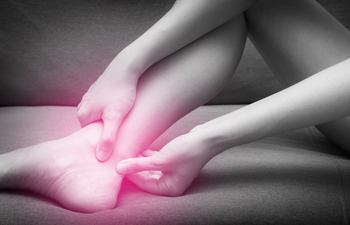
Achilles tendinopathy is a condition involving pain, stiffness, or swelling in the tendon that connects the calf muscles to the heel. Certain clinical factors may increase the chance of developing this issue. These include limited ankle flexibility, muscle weakness in the calf, or differences in leg length that affect movement. Individuals with a history of tendon injury, poor foot alignment, or tight lower leg muscles may also be at greater risk. Repetitive strain from sports, especially running or jumping, adds stress to the tendon, over time. In some cases, underlying conditions such as obesity or inflammatory diseases may contribute to the problem. Identifying and addressing these risks early can improve outcomes and help prevent chronic discomfort. If you are experiencing ongoing discomfort near your heel or lower leg, it is suggested that you speak with a podiatrist for a diagnosis and appropriate treatment.
Achilles tendon injuries need immediate attention to avoid future complications. If you have any concerns, contact one of our podiatrists of Crosstown Podiatry. Our doctors can provide the care you need to keep you pain-free and on your feet.
What Is the Achilles Tendon?
The Achilles tendon is a tendon that connects the lower leg muscles and calf to the heel of the foot. It is the strongest tendon in the human body and is essential for making movement possible. Because this tendon is such an integral part of the body, any injuries to it can create immense difficulties and should immediately be presented to a doctor.
What Are the Symptoms of an Achilles Tendon Injury?
There are various types of injuries that can affect the Achilles tendon. The two most common injuries are Achilles tendinitis and ruptures of the tendon.
Achilles Tendinitis Symptoms
- Inflammation
- Dull to severe pain
- Increased blood flow to the tendon
- Thickening of the tendon
Rupture Symptoms
- Extreme pain and swelling in the foot
- Total immobility
Treatment and Prevention
Achilles tendon injuries are diagnosed by a thorough physical evaluation, which can include an MRI. Treatment involves rest, physical therapy, and in some cases, surgery. However, various preventative measures can be taken to avoid these injuries, such as:
- Thorough stretching of the tendon before and after exercise
- Strengthening exercises like calf raises, squats, leg curls, leg extensions, leg raises, lunges, and leg presses
If you have any questions please feel free to contact our offices located in Wayne, Montclair, and Randolph, NJ . We offer the newest diagnostic tools and technology to treat your foot and ankle needs.
Understanding Risk Factors for Achilles Tendinopathy
Achilles tendinopathy is a condition involving pain, stiffness, or swelling in the tendon that connects the calf muscles to the heel. Certain clinical factors may increase the chance of developing this issue. These include limited ankle flexibility, muscle weakness in the calf, or differences in leg length that affect movement. Individuals with a history of tendon injury, poor foot alignment, or tight lower leg muscles may also be at greater risk. Repetitive strain from sports, especially running or jumping, adds stress to the tendon, over time. In some cases, underlying conditions such as obesity or inflammatory diseases may contribute to the problem. Identifying and addressing these risks early can improve outcomes and help prevent chronic discomfort. If you are experiencing ongoing discomfort near your heel or lower leg, it is suggested that you speak with a podiatrist for a diagnosis and appropriate treatment.
Achilles tendon injuries need immediate attention to avoid future complications. If you have any concerns, contact one of our podiatrists of Crosstown Podiatry. Our doctors can provide the care you need to keep you pain-free and on your feet.
What Is the Achilles Tendon?
The Achilles tendon is a tendon that connects the lower leg muscles and calf to the heel of the foot. It is the strongest tendon in the human body and is essential for making movement possible. Because this tendon is such an integral part of the body, any injuries to it can create immense difficulties and should immediately be presented to a doctor.
What Are the Symptoms of an Achilles Tendon Injury?
There are various types of injuries that can affect the Achilles tendon. The two most common injuries are Achilles tendinitis and ruptures of the tendon.
Achilles Tendinitis Symptoms
- Inflammation
- Dull to severe pain
- Increased blood flow to the tendon
- Thickening of the tendon
Rupture Symptoms
- Extreme pain and swelling in the foot
- Total immobility
Treatment and Prevention
Achilles tendon injuries are diagnosed by a thorough physical evaluation, which can include an MRI. Treatment involves rest, physical therapy, and in some cases, surgery. However, various preventative measures can be taken to avoid these injuries, such as:
- Thorough stretching of the tendon before and after exercise
- Strengthening exercises like calf raises, squats, leg curls, leg extensions, leg raises, lunges, and leg presses
If you have any questions please feel free to contact our offices located in Wayne, Montclair, and Randolph, NJ . We offer the newest diagnostic tools and technology to treat your foot and ankle needs.
