Items filtered by date: November 2025
Are Bunions Affecting Your Everyday Life?
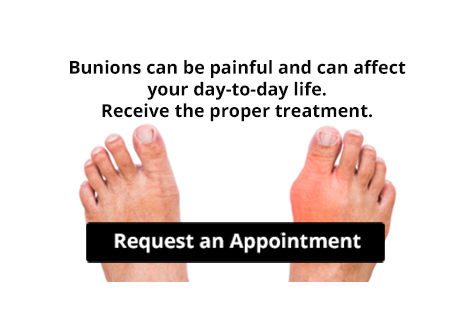
Have you noticed a bony protrusion on the side of your big toe? If so, you may have developed the foot condition known as a bunion. Don't let bunions interfere with your daily activities.
Managing Gout Flares and Protecting Your Foot Health

Gout is a painful form of arthritis caused by a buildup of uric acid crystals in the joints, often affecting the big toe. It may develop due to genetics, a diet high in purines, dehydration, or certain medical conditions. A gout flare-up can make the affected joint appear red, swollen, and shiny, and it often feels intensely painful even with the light pressure of a bedsheet. Some individuals describe the sensation as burning or throbbing, and mobility can become difficult during an attack. An interesting fact is that gout has been documented for thousands of years and was once called the disease of kings due to its association with rich foods. A podiatrist can help by identifying the cause of your foot pain, assessing inflammation, and confirming gout through clinical evaluation or imaging. Treatment may include medication, footwear guidance, joint protection strategies, and long-term prevention education. If you experience sudden joint pain or suspect gout, it is suggested that you make an appointment with a podiatrist.
Gout is a painful condition that can be treated. If you are seeking treatment, contact one of our podiatrists from Crosstown Podiatry. Our doctors will treat your foot and ankle needs.
What Is Gout?
Gout is a form of arthritis that is characterized by sudden, severe attacks of pain, redness, and tenderness in the joints. The condition usually affects the joint at the base of the big toe. A gout attack can occur at any random time, such as the middle of the night while you are asleep.
Symptoms
- Intense Joint Pain - Usually around the large joint of your big toe, and it most severe within the first four to twelve hours
- Lingering Discomfort - Joint discomfort may last from a few days to a few weeks
- Inflammation and Redness -Affected joints may become swollen, tender, warm and red
- Limited Range of Motion - May experience a decrease in joint mobility
Risk Factors
- Genetics - If family members have gout, you’re more likely to have it
- Medications - Diuretic medications can raise uric acid levels
- Gender/Age - Gout is more common in men until the age of 60. It is believed that estrogen protects women until that point
- Diet - Eating red meat and shellfish increases your risk
- Alcohol - Having more than two alcoholic drinks per day increases your risk
- Obesity - Obese people are at a higher risk for gout
Prior to visiting your podiatrist to receive treatment for gout, there are a few things you should do beforehand. If you have gout you should write down your symptoms--including when they started and how often you experience them, important medical information you may have, and any questions you may have. Writing down these three things will help your podiatrist in assessing your specific situation so that he or she may provide the best route of treatment for you.
If you have any questions, please feel free to contact our offices located in Wayne, Montclair, and Randolph, NJ . We offer the newest diagnostic and treatment technologies for all your foot care needs.
Neuropathy and Its Effects on the Feet

Neuropathy occurs when nerves become damaged, often affecting sensation and movement. In the feet, it can cause tingling, burning, numbness, or sharp pain that worsens over time. Common causes include diabetes, vitamin deficiencies, infections, and certain medications. Poor circulation, alcohol use, and metabolic disorders increase the likelihood of developing nerve damage. Over time, neuropathy can lead to balance issues and injuries that go unnoticed due to loss of feeling. A podiatrist can evaluate nerve function, identify underlying causes, and recommend treatments such as medication, therapy, or specialized footwear. If you are experiencing unusual sensations or pain in your feet, it is suggested that you schedule a visit with a podiatrist who can provide an accurate diagnosis and treatment.
Neuropathy
Neuropathy can be a potentially serious condition, especially if it is left undiagnosed. If you have any concerns that you may be experiencing nerve loss in your feet, consult with one of our podiatrists from Crosstown Podiatry. Our doctors will assess your condition and provide you with quality foot and ankle treatment for neuropathy.
What Is Neuropathy?
Neuropathy is a condition that leads to damage to the nerves in the body. Peripheral neuropathy, or neuropathy that affects your peripheral nervous system, usually occurs in the feet. Neuropathy can be triggered by a number of different causes. Such causes include diabetes, infections, cancers, disorders, and toxic substances.
Symptoms of Neuropathy Include:
- Numbness
- Sensation loss
- Prickling and tingling sensations
- Throbbing, freezing, burning pains
- Muscle weakness
Those with diabetes are at serious risk due to being unable to feel an ulcer on their feet. Diabetics usually also suffer from poor blood circulation. This can lead to the wound not healing, infections occurring, and the limb may have to be amputated.
Treatment
To treat neuropathy in the foot, podiatrists will first diagnose the cause of the neuropathy. Figuring out the underlying cause of the neuropathy will allow the podiatrist to prescribe the best treatment, whether it be caused by diabetes, toxic substance exposure, infection, etc. If the nerve has not died, then it’s possible that sensation may be able to return to the foot.
Pain medication may be issued for pain. Electrical nerve stimulation can be used to stimulate nerves. If the neuropathy is caused from pressure on the nerves, then surgery may be necessary.
If you have any questions, please feel free to contact our offices located in Wayne, Montclair, and Randolph, NJ . We offer the newest diagnostic and treatment technologies for all your foot care needs.
How a Podiatrist Provides Relief for Foot and Ankle Conditions

A podiatrist is a medical specialist who diagnoses and treats conditions affecting the feet and ankles. They provide care for issues such as diabetic foot complications, heel pain, bunions, nail disorders, and create custom orthotics to improve comfort and mobility. Podiatrists are also trained in foot and ankle surgery when conservative treatments are not effective. During an initial consultation, this type of doctor can perform a physical exam, review medical history, and may use imaging tests to make an accurate diagnosis. A personalized treatment plan is then developed to relieve pain and restore function. If you have developed a foot condition, it is suggested that you consult a podiatrist who can provide the treatment that is best for you.
If you are experiencing pain in the feet or ankles, don’t join the stubborn majority refusing treatment. Feel free to contact one of our podiatrists from Crosstown Podiatry. Our doctors can provide the care you need to keep you pain-free and on your feet.
What Is a Podiatrist?
Someone would seek the care of a podiatrist if they have suffered a foot injury or have common foot ailments such as heal spurs, bunions, arch problems, deformities, ingrown toenails, corns, foot and ankle problems, etc.
Podiatric Treatment
A podiatrist will treat the problematic areas of the feet, ankle or lower leg by prescribing the following:
- Physical therapy
- Drugs
- Orthotic inserts or soles
- Surgery on lower extremity fractures
A common podiatric procedure a podiatrist will use is a scanner or force plate which will allow the podiatrist to know the designs of orthotics. Patients are then told to follow a series of tasks to complete the treatment. The computer will scan the foot a see which areas show weight distribution and pressure points. The podiatrist will read the analysis and then determine which treatment plans are available.
If you have any questions, please feel free to contact our offices located in Wayne, Montclair, and Randolph, NJ . We offer the newest diagnostic and treatment technologies for all your foot care needs.
A Podiatrist’s Help With an Ankle Fracture

An ankle fracture is a break in one or more of the bones that make up the ankle joint, often caused by sudden force or twisting. In frail adults, it can occur from a simple fall or awkward turn, while in younger individuals, it is often the result of high energy trauma ,such as sports injuries or accidents. Symptoms include pain, swelling, bruising, and difficulty bearing weight. A podiatrist can diagnose the severity through imaging, provide proper immobilization, and guide rehabilitation to restore strength and function. For an expert diagnosis and personalized treatment, it is suggested that you consult a podiatrist who can offer effective treatment solutions.
Broken ankles need immediate treatment. If you are seeking treatment, contact one of our podiatrists from Crosstown Podiatry. Our doctors can provide the care you need to keep you pain-free and on your feet.
Broken Ankles
A broken ankle is experienced when a person fractures their tibia or fibula in the lower leg and ankle area. Both of these bones are attached at the bottom of the leg and combine to form what we know to be our ankle.
When a physician is referring to a break of the ankle, he or she is usually referring to a break in the area where the tibia and fibula are joined to create our ankle joint. Ankles are more prone to fractures because the ankle is an area that suffers a lot of pressure and stress. There are some obvious signs when a person experiences a fractured ankle, and the following symptoms may be present.
Symptoms of a Fractured Ankle
- Excessive pain when the area is touched or when any pressure is placed on the ankle
- Swelling around the area
- Bruising of the area
- Area appears to be deformed
If you suspect an ankle fracture, it is recommended to seek treatment as soon as possible. The sooner you have your podiatrist diagnose the fracture, the quicker you’ll be on the way towards recovery.
If you have any questions, please feel free to contact our offices located in Wayne, Montclair, and Randolph, NJ . We offer the newest diagnostic and treatment technologies for all your foot care needs.
