Items filtered by date: September 2025
Methods That Can Help Prevent Falling
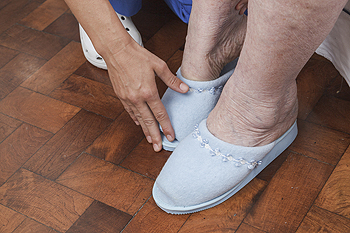
Falling is a common occurrence among seniors that can inhibit completing everyday activities. An effective falls prevention technique is to exercise frequently, as this can help to keep the muscles strong and flexible. Additionally, it is beneficial to install grab bars in the toilet and shower area, and using a bath mat may aid in preventing unnecessary falls as well. Research has indicated it is proactive to get regular physician examinations, where existing medications and eyewear can be checked and updated when necessary. Some patients may have medical conditions that make them more prone to falling, including diabetes, Parkinson’s disease, and certain types of arthritis. If you are over sixty-five years old and would like to learn about how falling can affect the feet, please consult with a podiatrist who can also offer your additional prevention techniques.
Preventing falls among the elderly is very important. If you are older and have fallen or fear that you are prone to falling, consult with one of our podiatrists from Crosstown Podiatry. Our doctors will assess your condition and provide you with quality advice and care.
Every 11 seconds, an elderly American is being treated in an emergency room for a fall related injury. Falls are the leading cause of head and hip injuries for those 65 and older. Due to decreases in strength, balance, senses, and lack of awareness, elderly persons are very susceptible to falling. Thankfully, there are a number of things older persons can do to prevent falls.
How to Prevent Falls
Some effective methods that older persons can do to prevent falls include:
- Enrolling in strength and balance exercise program to increase balance and strength
- Periodically having your sight and hearing checked
- Discuss any medications you have with a doctor to see if it increases the risk of falling
- Clearing the house of falling hazards and installing devices like grab bars and railings
- Utilizing a walker or cane
- Wearing shoes that provide good support and cushioning
- Talking to family members about falling and increasing awareness
Falling can be a traumatic and embarrassing experience for elderly persons; this can make them less willing to leave the house, and less willing to talk to someone about their fears of falling. Doing such things, however, will increase the likelihood of tripping or losing one’s balance. Knowing the causes of falling and how to prevent them is the best way to mitigate the risk of serious injury.
If you have any questions, please feel free to contact our offices located in Wayne, Montclair, and Randolph, NJ . We offer the newest diagnostic and treatment technologies for all your foot care needs.
Miami Dolphins WR Parker Sustains Ankle Injury
 Miami Dolphins wide receiver DeVante Parker recently suffered an ankle injury while playing against the Tennessee Titans. He was doubtful for the game against the Falcons and wound up not playing. Parker, who was a first round draft pick for the Dolphins, was considered to have the potential to have a good season. Regardless of whether the injury will take him out for an extended period or just one game, losing Parker for any length of time will be a blow for the Dolphins.
Sports related foot and ankle injuries require proper treatment before players can go back to their regular routines. For more information, contact one of our podiatrists of Crosstown Podiatry. Our doctors can provide the care you need to keep you pain-free and on your feet.
Sports Related Foot and Ankle Injuries
Foot and ankle injuries are a common occurrence when it comes to athletes of any sport. While many athletes dismiss the initial aches and pains, the truth is that ignoring potential foot and ankle injuries can lead to serious problems. As athletes continue to place pressure and strain the area further, a mild injury can turn into something as serious as a rupture and may lead to a permanent disability. There are many factors that contribute to sports related foot and ankle injuries, which include failure to warm up properly, not providing support or wearing bad footwear. Common injuries and conditions athletes face, including:
- Plantar Fasciitis
- Achilles Tendinitis
- Achilles Tendon Rupture
- Ankle Sprains
Sports related injuries are commonly treated using the RICE method. This includes rest, applying ice to the injured area, compression and elevating the ankle. More serious sprains and injuries may require surgery, which could include arthroscopic and reconstructive surgery. Rehabilitation and therapy may also be required in order to get any recovering athlete to become fully functional again. Any unusual aches and pains an athlete sustains must be evaluated by a licensed, reputable medical professional.
If you have any questions please contact our offices located in Wayne, Montclair, and Randolph, NJ . We offer the newest diagnostic and treatment technologies for all your foot and ankle needs.
Podiatric Care for Heel Spurs

A plantar heel spur is a bony growth that forms on the underside of the heel bone, often associated with chronic stress on the plantar fascia. Causes include repetitive strain from running or walking, obesity, improper footwear, or abnormal foot mechanics. Risk factors may involve flat feet, high arches, aging, and participating in high impact sports. Symptoms often include sharp heel pain, especially when first standing in the morning, swelling, and tenderness at the bottom of the heel. A podiatrist can evaluate the condition, recommend supportive footwear, provide custom orthotics, and offer treatments such as stretching to reduce pain and restore mobility. If you have heel pain, it is suggested that you consult a podiatrist who can accurately diagnose and treat heel spurs.
Heel spurs can be incredibly painful and sometimes may make you unable to participate in physical activities. To get medical care for your heel spurs, contact one of our podiatrists from Crosstown Podiatry. Our doctors will do everything possible to treat your condition.
Heels Spurs
Heel spurs are formed by calcium deposits on the back of the foot where the heel is. This can also be caused by small fragments of bone breaking off one section of the foot, attaching onto the back of the foot. Heel spurs can also be bone growth on the back of the foot and may grow in the direction of the arch of the foot.
Older individuals usually suffer from heel spurs and pain sometimes intensifies with age. One of the main condition's spurs are related to is plantar fasciitis.
Pain
The pain associated with spurs is often because of weight placed on the feet. When someone is walking, their entire weight is concentrated on the feet. Bone spurs then have the tendency to affect other bones and tissues around the foot. As the pain continues, the feet will become tender and sensitive over time.
Treatments
There are many ways to treat heel spurs. If one is suffering from heel spurs in conjunction with pain, there are several methods for healing. Medication, surgery, and herbal care are some options.
If you have any questions, please feel free to contact our offices located in Wayne, Montclair, and Randolph, NJ . We offer the newest diagnostic and treatment technologies for all your foot care needs.
Crooked Toes Are More Than Just a Cosmetic Issue

Crooked toes are a problem that often develops gradually. They may be caused by wearing shoes that squeeze the toes, arthritis that affects joint alignment, or structural issues such as flat feet or high arches. Injuries and muscle imbalances can also contribute, especially when tendons and ligaments no longer hold the toes in their normal position. Conditions like hammertoes, claw toes, and mallet toes are all examples of crooked toe deformities. Treatment depends on the severity. In the early stages, wearing wider shoes, using protective padding, and adding custom orthotics can ease pressure and slow progression. Stretching and strengthening exercises may also help maintain flexibility. If pain and deformity worsen, surgical options can realign the toes and relieve discomfort. If you have painful crooked toes, it is suggested that you see a podiatrist for a proper diagnosis and appropriate treatment.
Hammertoes can be a painful condition to live with. For more information, contact one of our podiatrists of Crosstown Podiatry. Our doctors will answer any of your foot- and ankle-related questions.
Hammertoe
Hammertoe is a foot deformity that occurs due to an imbalance in the muscles, tendons, or ligaments that normally hold the toe straight. It can be caused by the type of shoes you wear, your foot structure, trauma, and certain disease processes.
Symptoms
- Painful and/or difficult toe movement
- Swelling
- Joint stiffness
- Calluses/Corns
- Physical deformity
Risk Factors
- Age – The risk of hammertoe increases with age
- Sex – Women are more likely to have hammertoe compared to men
- Toe Length – You are more likely to develop hammertoe if your second toe is longer than your big toe
- Certain Diseases – Arthritis and diabetes may make you more likely to develop hammertoe
Treatment
If you have hammertoe, you should change into a more comfortable shoe that provides enough room for your toes. Exercises such as picking up marbles may strengthen and stretch your toe muscles. Nevertheless, it is important to seek assistance from a podiatrist in order to determine the severity of your hammertoe and see which treatment option will work best for you.
If you have any questions, please feel free to contact our offices located in Wayne, Montclair, and Randolph, NJ . We offer the newest diagnostic and treatment technologies for all your foot care needs.
Causes of In-Toeing in Your Child

In-toeing, sometimes called pigeon-toed walking, occurs when a child’s toes point inward while walking or running. It is commonly related to the rotation of the tibia in the lower leg or the femur in the upper leg. These changes in alignment usually occur during growth and often resolve on their own as a child develops. While in-toeing is typically painless, it may cause a child to trip more often or appear clumsy, which can be concerning for parents. Risk factors include family history, positioning in the womb, or sitting habits such as the “W” position. A podiatrist can evaluate your child’s feet, ankles, and legs to determine the cause of the in-toeing, observe gait patterns, and check for underlying bone abnormalities. In rare situations where bone deformities persist, surgery may be considered. If you have noticed unusual gait problems in your child, it is suggested that you make an appointment with a podiatrist for an evaluation and treatment.
Making sure that your children maintain good foot health is very important as they grow. If you have any questions, contact one of our podiatrists of Crosstown Podiatry. Our doctors can provide the care you need to keep you pain-free and on your feet.
Keeping Children's Feet Healthy
Having healthy feet during childhood can help prevent medical problems later in life, namely in the back and legs. As children grow, their feet require different types of care. Here are some things to consider...
Although babies do not walk yet, it is still very important to take care of their feet.
Avoid putting tight shoes or socks on his or her feet.
Allow the baby to stretch and kick his or her feet to feel comfortable.
As a toddler, kids are now on the move and begin to develop differently. At this age, toddlers are getting a feel for walking, so don’t be alarmed if your toddler is unsteady or ‘walks funny’.
As your child gets older, it is important to teach them how to take care of their feet.
Show them proper hygiene to prevent infections such as fungus.
Be watchful for any pain or injury.
Have all injuries checked by a doctor as soon as possible.
Comfortable, protective shoes should always be worn, especially at play.
If you have any questions, please feel free to contact our offices located in Wayne, Montclair, and Randolph, NJ . We offer the newest diagnostic and treatment technologies for all your foot care needs.
