Items filtered by date: January 2026
Arthritis Can Cause Pain in the Feet and Ankles

If you are suffering from tenderness, pain, or stiffness in the joints of your feet or ankles, call us to schedule an appointment.
When Nerve Pain Stops You Mid-Step

Morton’s neuroma is a painful nerve condition that affects the ball of the foot, most often between the third and fourth toes. The foot usually looks normal on the outside, but some people notice mild swelling or spreading of the toes. It often feels like burning or numbness, sometimes described as standing on a pebble or a folded sock. Symptoms may worsen with walking, running, or wearing tight shoes. A podiatrist can help from the start by evaluating symptoms, examining foot structure, and confirming the diagnosis with imaging when needed. Treatment may begin with footwear changes, padding, orthotics, and inflammation control. Care can then progress into activity modification and advanced treatment options when conservative care is not effective. It is suggested that if you are experiencing nerve pain in the ball of the foot, you make an appointment with a podiatrist.
Morton’s neuroma is a very uncomfortable condition to live with. If you think you have Morton’s neuroma, contact one of our podiatrists of Crosstown Podiatry. Our doctors will attend to all of your foot care needs and answer any of your related questions.
Morton’s Neuroma
Morton's neuroma is a painful foot condition that commonly affects the areas between the second and third or third and fourth toe, although other areas of the foot are also susceptible. Morton’s neuroma is caused by an inflamed nerve in the foot that is being squeezed and aggravated by surrounding bones.
What Increases the Chances of Having Morton’s Neuroma?
- Ill-fitting high heels or shoes that add pressure to the toe or foot
- Jogging, running or any sport that involves constant impact to the foot
- Flat feet, bunions, and any other foot deformities
Morton’s neuroma is a very treatable condition. Orthotics and shoe inserts can often be used to alleviate the pain on the forefront of the feet. In more severe cases, corticosteroids can also be prescribed. In order to figure out the best treatment for your neuroma, it’s recommended to seek the care of a podiatrist who can diagnose your condition and provide different treatment options.
If you have any questions, please feel free to contact our offices located in Wayne, Montclair, and Randolph, NJ . We offer the newest diagnostic and treatment technologies for all your foot care needs.
Why Calcaneal Spurs Can Cause Heel Discomfort
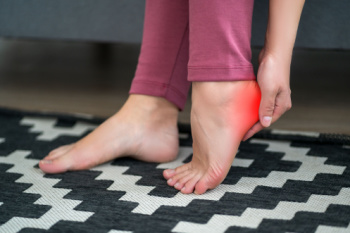
A calcaneal spur is a small bony projection that forms on the heel bone, often in response to repeated strain on the soft tissues that attach in this area. Many people develop these growths without noticing any symptoms, but others feel sharp or aching pain when the surrounding tissues become irritated. Discomfort may be most noticeable with the first steps in the morning or after long periods of standing, and shoes with poor support can make the problem worse. Calcaneal spurs often develop alongside conditions like plantar fasciitis, which increases tension on the heel and contributes to inflammation. Treatment focuses on easing the stress placed on the heel through wearing supportive footwear, cushioned inserts, stretching, and activity adjustments. A podiatrist can confirm the diagnosis, identify contributing factors, and recommend targeted care. If your heel pain persists or interferes with walking, it is suggested that you see a podiatrist for effective relief and treatment solutions.
Heel spurs can be incredibly painful and sometimes may make you unable to participate in physical activities. To get medical care for your heel spurs, contact one of our podiatrists from Crosstown Podiatry. Our doctors will do everything possible to treat your condition.
Heels Spurs
Heel spurs are formed by calcium deposits on the back of the foot where the heel is. This can also be caused by small fragments of bone breaking off one section of the foot, attaching onto the back of the foot. Heel spurs can also be bone growth on the back of the foot and may grow in the direction of the arch of the foot.
Older individuals usually suffer from heel spurs and pain sometimes intensifies with age. One of the main condition's spurs are related to is plantar fasciitis.
Pain
The pain associated with spurs is often because of weight placed on the feet. When someone is walking, their entire weight is concentrated on the feet. Bone spurs then have the tendency to affect other bones and tissues around the foot. As the pain continues, the feet will become tender and sensitive over time.
Treatments
There are many ways to treat heel spurs. If one is suffering from heel spurs in conjunction with pain, there are several methods for healing. Medication, surgery, and herbal care are some options.
If you have any questions, please feel free to contact our offices located in Wayne, Montclair, and Randolph, NJ . We offer the newest diagnostic and treatment technologies for all your foot care needs.
Wearing the Right Shoes for Construction Jobs
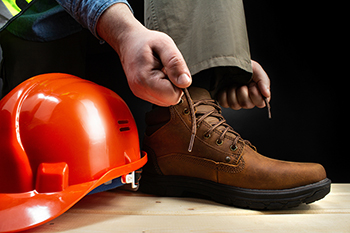
Wearing the right shoes for construction jobs is essential for keeping feet protected from daily workplace dangers. Construction sites often involve heavy materials, sharp objects, and wet or uneven surfaces that can place feet at risk. Waterproof boots help keep feet dry and comfortable, reducing skin irritation and fatigue during long workdays. Steel toe shoes protect the toes from falling tools and heavy equipment, while puncture resistant soles guard against nails and debris on the ground. Wearing proper footwear also improves balance and support, helping reduce the risk of slips and other injuries. A podiatrist can evaluate foot structure, job demands, and pain concerns to recommend appropriate safety footwear and custom orthotics. If foot discomfort or repeated injuries are affecting your work responsibilities, it is suggested that you schedule a visit with a podiatrist who can treat various foot conditions, and guide you on appropriate shoes to wear for your workday.
While working on the feet, it is important to take the proper care of them. For more information about working on your feet, contact one of our podiatrists from Crosstown Podiatry. Our doctors will treat your foot and ankle needs.
Working on Your Feet
Standing on your feet for long periods of time can cause stress and pain in your feet. Your whole body may experience change in terms of posture, back pain, bunions, callouses and or plantar warts. There are ways to avoid these conditions with proper foot care, smart choices and correct posture.
Positive Changes
Negative heeled shoe – Choosing this shoe type places the heel slightly lower than the ball of the foot. These are great for overall foot health. Find shoes that fit you correctly.
Go barefoot – Our feet were not designed to be enclosed for all hours of the day. Try to periodically expose your feet to air.
Eliminate Pain
Foot Exercises – Performing simple exercises, incorporating yoga and doing stretches are beneficial. This will allow increased blood flow to the area and muscles of the foot.
Achilles tendon – Stretching the foot out flat on the floor will relax the calf muscles and tendon. These exercises can be performed almost anywhere. Make sure you add these exercises to your daily regimen.
With a little bit of this information and knowing more about foot health, you will notice changes. Foot stretches and proper footwear will help with pain and prevent further issues.
If you have any questions please contact our offices located in Wayne, Montclair, and Randolph, NJ . We offer the newest diagnostic and treatment technologies for all your foot and ankle needs.
Twists and Turns of Ankle Sprains
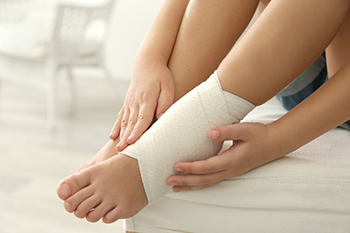
Ankle sprains are common injuries graded as first, second, and third degree based on ligament damage. A first-degree sprain is caused by a mild twist or misstep and may look slightly swollen and feel sore or stiff. A second-degree sprain often follows a stronger roll, showing visible swelling and bruising with pain and weakness. A third-degree sprain is caused by a severe force, may appear very swollen or unstable, and can feel sharp, intense, or numb. A podiatrist can help from the start by taking a detailed history, examining movement and stability, and ordering imaging when needed. Treatment may include bracing, targeted exercises, or custom orthotics, with advanced care for severe cases. Early care can reduce recovery time, improve confidence, and help prevent repeat injuries during daily activities and sports participation for people of all ages. If you suspect you have sprained your ankle, it is suggested that you schedule an appointment with a podiatrist who can offer effective treatment solutions.
Although ankle sprains are common, they aren’t always minor injuries. If you need your ankle injury looked at, contact one of our podiatrists from Crosstown Podiatry. Our doctors can provide the care you need to keep you pain-free and on your feet.
How Does an Ankle Sprain Occur?
Ankle sprains are the result of a tear in the ligaments within the ankle. These injuries may happen when you make a rapid shifting movement while your foot is planted. A less common way to sprain your ankle is when your ankle rolls inward while your foot turns outward.
What Are the Symptoms?
- Pain at the sight of the tear
- Bruising/Swelling
- Ankle area is tender to touch
- In severe cases, may hear/feel something tear
- Skin discoloration
Preventing a Sprain
- Wearing appropriate shoes for the occasion
- Stretching before exercises and sports
- Knowing your limits
Treatment of a Sprain
In many cases, the RICE method (Rest, Ice, Compression, and Elevate) is used to treat ankle sprains. However, you should see a podiatrist to see which treatment option would work best with your injury. In severe cases, surgery may be required.
It is important to ask your doctor about rehab options after you receive treatment for your injury. Stretching, strength training, and balance exercises may help the ankle heal while also preventing further injury.
If you have any questions, please feel free to contact our offices located in Wayne, Montclair, and Randolph, NJ . We offer the newest diagnostic and treatment technologies for all your foot care needs.
