Items filtered by date: April 2026
Protecting Your Diabetic Feet
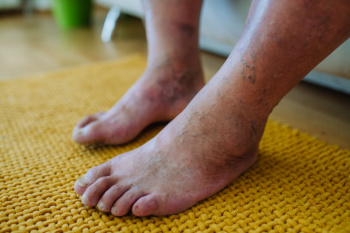
Diabetes can affect the feet by reducing circulation and damaging nerves, a condition known as peripheral neuropathy. This may cause numbness, tingling, or burning sensations, making it harder to notice cuts, blisters, or pressure points. At the same time, poor blood flow can slow healing, which increases the risk of infection and more serious complications. The feet may appear dry, cracked, or swollen, and even small wounds can become concerning, if not treated early. A podiatrist plays an important role in diabetic foot care by performing regular exams, identifying problem areas, and providing routine nail and skin care. Treatment includes careful removal of thickened skin, wound care, custom orthotics, and guidance on proper footwear to reduce pressure. Education on daily foot inspection and hygiene is also essential to prevent complications. If you have diabetes and notice any changes in your feet, it is suggested that you are under the care of a podiatrist who can help you to manage this serious condition.
Diabetic foot care is important in preventing foot ailments such as ulcers. If you are suffering from diabetes or have any other concerns about your feet, contact Frank Colabella, DPM from Crosstown Podiatry. Our doctor can provide the care you need to keep you pain-free and on your feet.
Diabetic Foot Care
Diabetes affects millions of people every year. The condition can damage blood vessels in many parts of the body, especially the feet. Because of this, taking care of your feet is essential if you have diabetes, and having a podiatrist help monitor your foot health is highly recommended.
The Importance of Caring for Your Feet
- Routinely inspect your feet for bruises or sores.
- Wear socks that fit your feet comfortably.
- Wear comfortable shoes that provide adequate support.
Patients with diabetes should have their doctor monitor their blood levels, as blood sugar levels play such a huge role in diabetic care. Monitoring these levels on a regular basis is highly advised.
It is always best to inform your healthcare professional of any concerns you may have regarding your feet, especially for diabetic patients. Early treatment and routine foot examinations are keys to maintaining proper health, especially because severe complications can arise if proper treatment is not applied.
If you have any questions, please feel free to contact our offices located in Wayne and Oradell, NJ . We offer the newest diagnostic and treatment technologies for all your foot care needs.
Sever's Disease and Teen Heel Pain
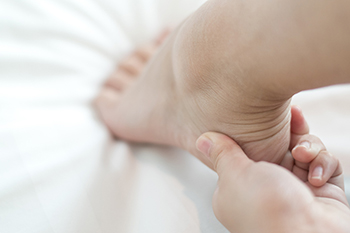
Sever’s disease is a common cause of heel pain in growing adolescents, especially those involved in sports. It is an overuse condition that affects the growth plate in the heel, where repetitive stress leads to inflammation and discomfort. This occurs when the heel bone grows faster than the surrounding muscles and tendons, creating tension and irritation. Risk factors include rapid growth, high activity levels, and wearing improper footwear. Symptoms often include heel pain during activity, tenderness, and limping. A podiatrist can evaluate the condition, recommend supportive footwear, provide custom orthotics, and guide stretching and activity modification. Early care can relieve pain and prevent worsening symptoms. If your active child is limping or has heel pain, it is suggested that you consult a podiatrist who can accurately diagnose the problem, and offer effective relief solutions.
Sever's disease often occurs in children and teens. If your child is experiencing foot or ankle pain, see Frank Colabella, DPM from Crosstown Podiatry. Our doctor can treat your child’s foot and ankle needs.
Sever’s Disease
Sever’s disease is also known as calcaneal apophysitis, which is a medical condition that causes heel pain I none or both feet. The disease is known to affect children between the ages of 8 and 14.
Sever’s disease occurs when part of the child’s heel known as the growth plate (calcaneal epiphysis) is attached to the Achilles tendon. This area can suffer injury when the muscles and tendons of the growing foot do not keep pace with bone growth. Therefore, the constant pain which one experiences at the back of the heel will make the child unable to put any weight on the heel. The child is then forced to walk on their toes.
Symptoms
Acute pain – Pain associated with Sever’s disease is usually felt in the heel when the child engages in physical activity such as walking, jumping and or running.
Highly active – Children who are very active are among the most susceptible in experiencing Sever’s disease, because of the stress and tension placed on their feet.
If you have any questions, please feel free to contact our offices located in Wayne and Oradell, NJ . We offer the newest diagnostic and treatment technologies for all your foot care needs.
How a Simple Procedure Can Relieve Painful Ingrown Toenails
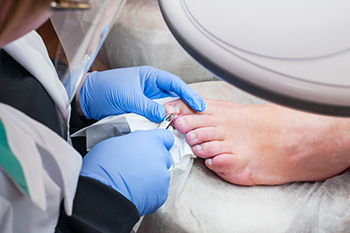
When the edge of a toenail grows into the surrounding skin, it can cause swelling, redness, and sharp pain with every step. Home care may help early, but ongoing discomfort often needs a minor in-office solution. One effective approach removes a narrow strip from the center portion of the nail. This creates space along the sides so the skin can heal without pressure. The procedure is quick, done with local numbing, and most patients return to normal activity soon after. Complications are uncommon when performed by a trained podiatrist. Proper trimming habits and shoe choices can also reduce future problems. Keeping the area clean and protected during healing helps lower risk of recurrence. If you have a persistent ingrown toenail, drainage, or signs of infection, it is suggested that you see a podiatrist for an accurate diagnosis and appropriate care.
Ingrown toenails can become painful if they are not treated properly. For more information about ingrown toenails, contact Frank Colabella, DPM of Crosstown Podiatry. Our doctor can provide the care you need to keep you pain-free and on your feet.
Ingrown Toenails
Ingrown toenails occur when a toenail grows sideways into the bed of the nail, causing pain, swelling, and possibly infection.
Causes
- Bacterial infections
- Improper nail cutting such as cutting it too short or not straight across
- Trauma to the toe, such as stubbing, which causes the nail to grow back irregularly
- Ill-fitting shoes that bunch the toes too close together
- Genetic predisposition
Prevention
Wearing proper fitting shoes and using proper cutting techniques will also help decrease your risk of developing ingrown toenails.
Treatment
Ingrown toenails are a very treatable foot condition. In minor cases, soaking the affected area in salt or antibacterial soaps will not only help with the ingrown nail itself, but also help prevent any infections from occurring. In more severe cases, surgery is an option. In either case, speaking to your podiatrist about this condition will help you get a better understanding of specific treatment options that are right for you.
If you have any questions, please feel free to contact our offices located in Wayne and Oradell, NJ . We offer the newest diagnostic and treatment technologies for all your foot care needs.
Do You Suffer From Painful Feet?
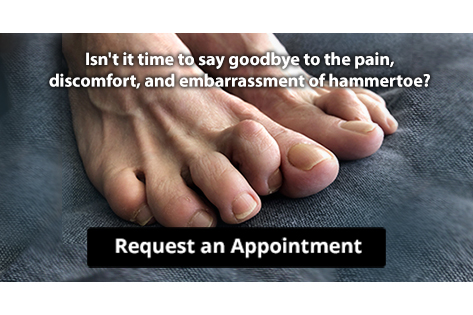
Painful deformities, such as hammertoes, can be treated. Stop living with foot pain, and have beautiful feet again!
