Items filtered by date: April 2020
Possible Causes of Gout
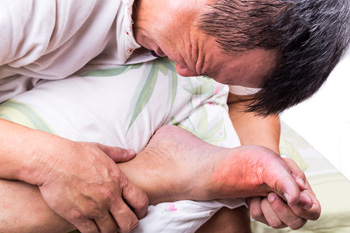 The joints of the big toe are generally impacted by the medical condition that is referred to as gout. Common symptoms can include swelling, severe pain and discomfort in the big toe and surrounding area, and it may be difficult to walk. Patients who have this ailment often describe the pain as feeling like crystals protruding between the joints. This happens as a result of excess uric acid in the bloodstream, and can be caused by a variety of reasons. These can include genetic factors, obesity, and high blood pressure. Additionally, it may come from eating foods that are high in purine levels, which may often consist of red meat, shellfish, and sugary drinks. If you have this painful condition, it is strongly suggested that you are under the care of a podiatrist who can help you to manage it.
Gout is a foot condition that requires certain treatment and care. If you are seeking treatment, contact Frank Colabella, DPM from Crosstown Podiatry. Our doctor will treat your foot and ankle needs.
What Is Gout?
Gout is a type of arthritis caused by a buildup of uric acid in the bloodstream. It often develops in the foot, especially the big toe area, although it can manifest in other parts of the body as well. Gout can make walking and standing very painful and is especially common in diabetics and the obese.
People typically get gout because of a poor diet. Genetic predisposition is also a factor. The children of parents who have had gout frequently have a chance of developing it themselves.
Gout can easily be identified by redness and inflammation of the big toe and the surrounding areas of the foot. Other symptoms include extreme fatigue, joint pain, and running high fevers. Sometimes corticosteroid drugs can be prescribed to treat gout, but the best way to combat this disease is to get more exercise and eat a better diet.
If you have any questions, please feel free to contact our offices located in Wayne and Oradell, NJ . We offer the newest diagnostic and treatment technologies for all your foot care needs.
How Contagious Is Toenail Fungus?
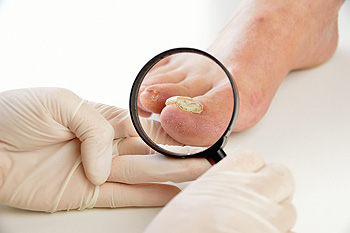 Toenail fungus is a contagious fungal skin infection that can be spread directly or indirectly. It is most commonly spread in warm, moist environments. These locations typically include public swimming pools, communal showers, gyms, and locker rooms. To help prevent obtaining a fungal infection, it may be beneficial to wear appropriate footwear when you are in these locations. Some symptoms of this condition may include discoloration of the affected toenail, thickening of the toenail, and in more severe cases, the toenail may become brittle and begin to break off. In order to safely treat a toenail fungal infection, it’s suggested that you consult with a podiatrist for professional care and advice.
For more information about treatment, contact Frank Colabella, DPM of Crosstown Podiatry. Our doctor can provide the care you need to keep you pain-free and on your feet.
Toenail Fungus Treatment
Toenail fungus is a condition that affects many people and can be especially hard to get rid of. Fortunately, there are several methods to go about treating and avoiding it.
Antifungals & Deterrence
Oral antifungal medicine has been shown to be effective in many cases. It is important to consult with a podiatrist to determine the proper regiment for you, or potentially explore other options.
Applying foot powder on the feet and shoes helps keep the feet free of moisture and sweat.
Sandals or open toed shoes – Wearing these will allow air movement and help keep feet dry. They also expose your feet to light, which fungus cannot tolerate. Socks with moisture wicking material also help as well.
If you have any questions please contact our offices located in Wayne and Oradell, NJ . We offer the newest diagnostic and treatment technologies for all your foot and ankle needs.
Where Are the Sesamoid Bones Located?
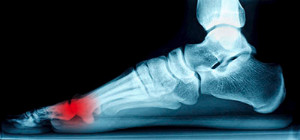 The pain and discomfort that is often experienced with the medical condition sesamoiditis is generally felt under the big toe. Two sesamoid bones are found inside the tendons of the big toe, and can become injured if shoes that are worn do not fit correctly. These types of shoes can include high heels, which typically have inadequate room for the toes to move freely in. A common symptom that many patients experience with this condition can consist of a dull pain that can become stronger as walking and running activities are pursued. It is beneficial to perform exercises that can strengthen the feet, as this may help the foot to generally feel better. If you have pain on the bottom of your foot near the big toe, it is advised that you seek the counsel of a podiatrist who can properly treat this condition.
Sesamoiditis is an unpleasant foot condition characterized by pain in the balls of the feet. If you think you’re struggling with sesamoiditis, contact Frank Colabella, DPM of Crosstown Podiatry. Our doctor will treat your condition thoroughly and effectively.
Sesamoiditis
Sesamoiditis is a condition of the foot that affects the ball of the foot. It is more common in younger people than it is in older people. It can also occur with people who have begun a new exercise program, since their bodies are adjusting to the new physical regimen. Pain may also be caused by the inflammation of tendons surrounding the bones. It is important to seek treatment in its early stages because if you ignore the pain, this condition can lead to more serious problems such as severe irritation and bone fractures.
Causes of Sesamoiditis
- Sudden increase in activity
- Increase in physically strenuous movement without a proper warm up or build up
- Foot structure: those who have smaller, bonier feet or those with a high arch may be more susceptible
Treatment for sesamoiditis is non-invasive and simple. Doctors may recommend a strict rest period where the patient forgoes most physical activity. This will help give the patient time to heal their feet through limited activity. For serious cases, it is best to speak with your doctor to determine a treatment option that will help your specific needs.
If you have any questions, please feel free to contact our offices located in Wayne and Oradell, NJ . We offer the newest diagnostic and treatment technologies for all your foot care needs.
Possible Causes Of An Ingrown Toenail
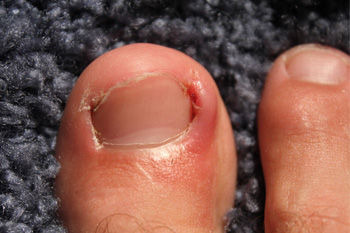 There are many people that suffer from a condition which is known as an ingrown toenail. Research has shown it generally does not cause harm, unless it becomes infected. This ailment can happen as a result of trimming the toenails incorrectly, or it may gradually develop from wearing shoes that do not have ample room for the toes to move freely in. A noticeable symptom can include swelling as the nail grows into the outer edges of the skin. Additionally, there may be a discharge that oozes from the affected nail, and this may add to existing pain and discomfort. Many patients have found mild relief when the affected nail is soaked in warm water, and this may be beneficial in softening the surrounding skin. If you have an ingrown toenail, please consult with a podiatrist who can guide you toward treatment options that are correct for you.
Ingrown toenails can become painful if they are not treated properly. For more information about ingrown toenails, contact Frank Colabella, DPM of Crosstown Podiatry. Our doctor can provide the care you need to keep you pain-free and on your feet.
Ingrown Toenails
Ingrown toenails occur when a toenail grows sideways into the bed of the nail, causing pain, swelling, and possibly infection.
Causes
- Bacterial infections
- Improper nail cutting such as cutting it too short or not straight across
- Trauma to the toe, such as stubbing, which causes the nail to grow back irregularly
- Ill-fitting shoes that bunch the toes too close together
- Genetic predisposition
Prevention
Wearing proper fitting shoes and using proper cutting techniques will also help decrease your risk of developing ingrown toenails.
Treatment
Ingrown toenails are a very treatable foot condition. In minor cases, soaking the affected area in salt or antibacterial soaps will not only help with the ingrown nail itself, but also help prevent any infections from occurring. In more severe cases, surgery is an option. In either case, speaking to your podiatrist about this condition will help you get a better understanding of specific treatment options that are right for you.
If you have any questions, please feel free to contact our offices located in Wayne and Oradell, NJ . We offer the newest diagnostic and treatment technologies for all your foot care needs.
